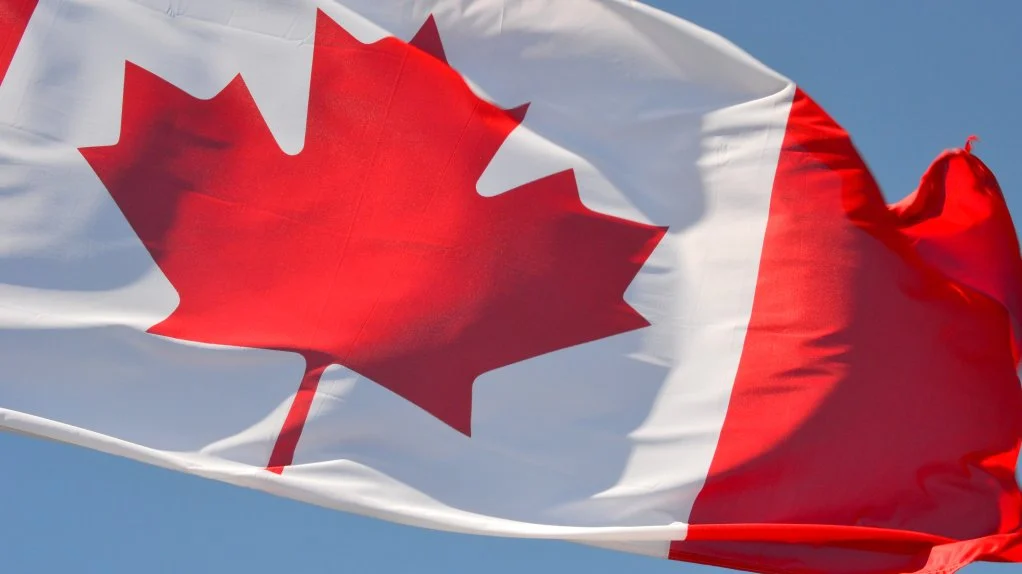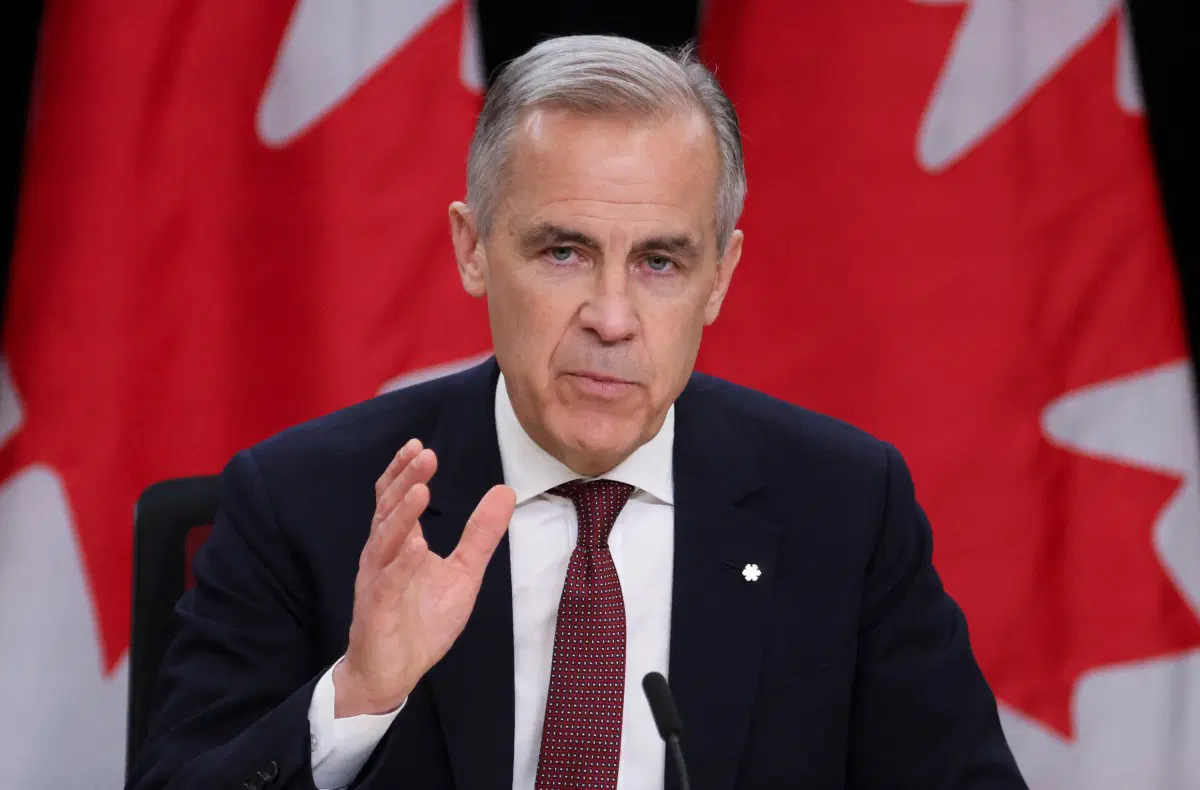
Canadian Prime Minister Mark Carney has expressed his government’s disappointment following US President Donald Trump’s decision to raise tariffs on Canadian goods from 25 percent to 35 percent.
The new trade action, announced via executive order on Friday, came just days after Carney revealed plans for Canada to recognize a Palestinian state at the upcoming UN General Assembly in September — a move that has drawn sharp rebuke from Washington.
While a broad range of goods covered under the 2020 United States-Mexico-Canada Agreement (USMCA, known in Canada as CUSMA) will remain exempt from the increased tariff, several sectors are set to feel the pressure.
“The Canadian government is disappointed by this action,” Carney said in a statement. “Canada has consistently been a reliable partner to the United States and will continue to uphold its obligations under CUSMA.”
In justifying the tariff increase, Trump accused Ottawa of failing to adequately cooperate in curbing illicit drug trafficking — specifically citing fentanyl — and of retaliating against earlier US measures.
Carney pushed back on the drug allegations, stressing Canada’s active role in enforcement. “Canada accounts for only one percent of US fentanyl imports and has been working intensively to further reduce these volumes,” he said.
Despite the escalation, Carney reaffirmed Canada’s commitment to maintaining strong trade relations under CUSMA. He acknowledged, however, that certain industries — including lumber, steel, aluminum, and automobiles — remain vulnerable to US protectionist policies.
“The US application of CUSMA means that the average US tariff rate on Canadian goods remains one of the lowest among all of its trading partners,” he noted. “That said, specific sectors of our economy are heavily impacted by US duties and tariffs, and we will continue to advocate for fair treatment.”
The tariff hike marks another strain in US-Canada trade relations, underscoring ongoing political and economic tensions despite the framework of the trade agreement.