Five members of Iran’s visiting women’s national football team have been granted asylum in Australia after refusing to sing their country’s national anthem during a tournament match, an act that sparked backlash in their home country.
The players, including team captain Zahra Ghanbari, reportedly left their hotel on the Gold Coast late Monday night and sought protection from Australian authorities, citing concerns for their safety if they returned to Iran.
Australian Prime Minister Anthony Albanese confirmed on Tuesday that the athletes had been granted humanitarian visas following days of confidential discussions with government officials.
“We’ve been preparing for this for some time,” Albanese said. “Australians have been moved by the plight of these brave women. They’re safe here and they should feel at home here.”
According to officials, the players were taken to a secure location after leaving their team hotel. Images later showed them gathered around a table while Tony Burke signed documents approving their special visas to remain in Australia.
Burke said the athletes celebrated the decision by chanting “Aussie, Aussie, Aussie,” and added that the remaining members of the Iranian squad would also be allowed to stay if they chose to seek protection.
The situation followed an incident last week when Iranian players stood silently during the national anthem before a match against South Korea, a gesture widely interpreted as a protest against the government of the Iran. Although the team later sang the anthem in subsequent matches, the initial protest triggered strong criticism at home.
A presenter on Iranian state television reportedly described the players as “wartime traitors,” while activists warned they could face severe repercussions if they returned.
Exiled opposition figure Reza Pahlavi, son of the late Shah of Iran, urged Australian authorities to ensure the safety of the players.
“The members of the Iranian Women’s National Football Team are under significant pressure and ongoing threat from the Islamic Republic,” he wrote on social media, calling for them to receive full support.
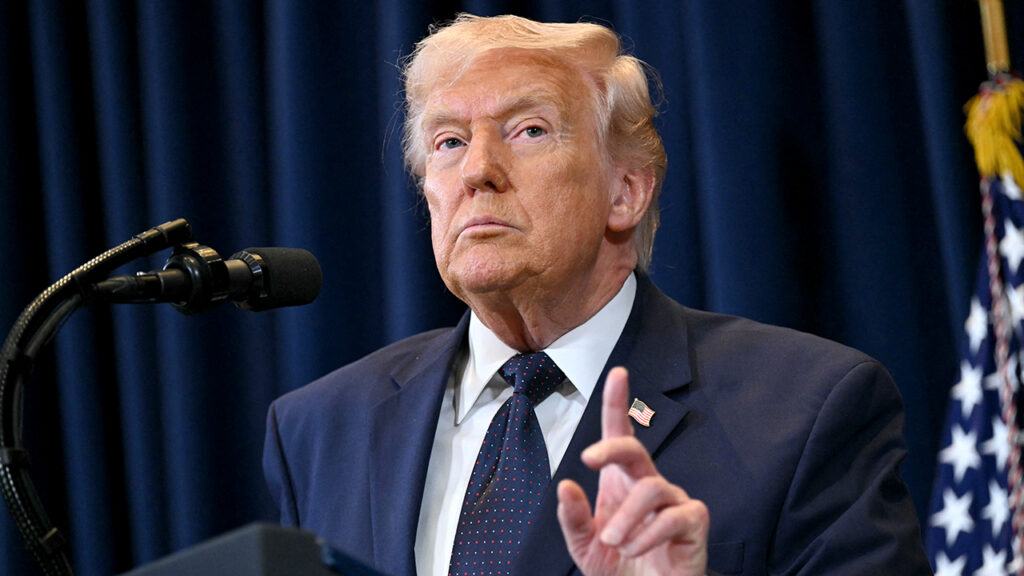
The development also drew international attention. U.S. President Donald Trump publicly urged Australia to grant the players asylum, warning it would be a “terrible humanitarian mistake” to send them back to Iran.
Public support for the players grew in Australia over the weekend, with crowds gathering outside a stadium on the Gold Coast during the team’s final match. Demonstrators beat drums and chanted slogans including “let them go” and “save our girls,” while others called for political change in Iran.
It remains unclear whether the rest of the Iranian squad will return home or seek protection in Australia.