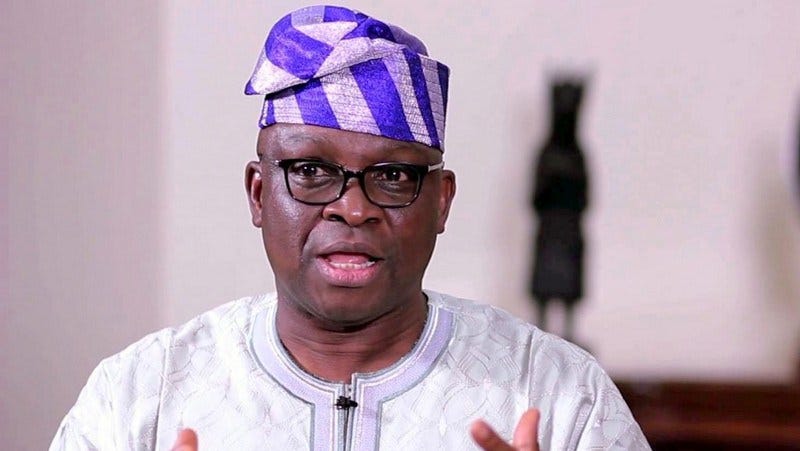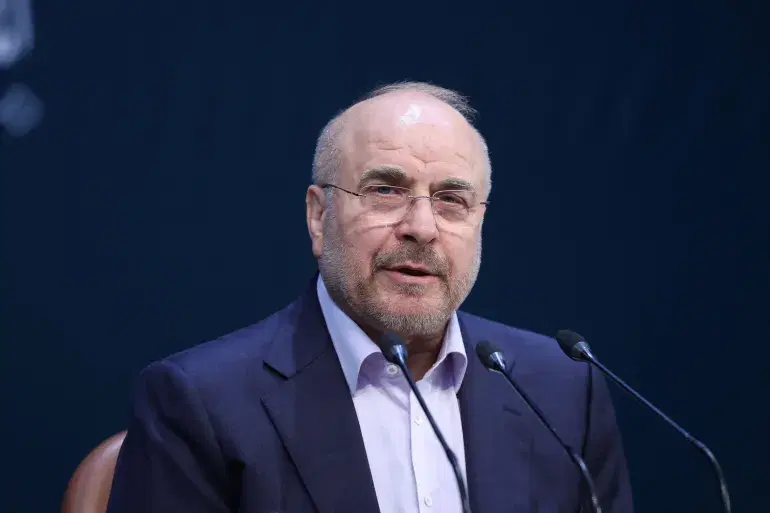
TEHRAN, IRAN — Iran’s top negotiator, Mohammad Bagher Ghalibaf, has warned that Tehran will not reopen the strategic Strait of Hormuz until the United States fulfils a series of demands, including the lifting of what Iran describes as a naval blockade.
Ghalibaf made the declaration on Tuesday in a speech broadcast on Iranian state television, insisting that Tehran’s position on the crucial waterway remained firm.
“I want to state clearly that the Strait of Hormuz will not be opened until the American commitments stipulated in the memorandum of understanding… are implemented,” he said.
Among the conditions outlined by the Iranian negotiator are the removal of the naval blockade, the lifting of US sanctions on Iranian oil exports and the unfreezing of Iranian assets held abroad.
The demands were reportedly included in an Iran-US truce reached in June, although the agreement later collapsed, leaving tensions between the two countries unresolved.
Dispute Over Vital Shipping Route
The Strait of Hormuz is one of the world’s most strategically important maritime routes, serving as a major passage for global energy shipments.
Iran has maintained control over navigation through the strait since the conflict with the United States began, requiring vessels to obtain permission and pay transit service fees. The arrangement has been rejected by Washington and several countries in the region.
The continuing restrictions have raised concerns over the security of international shipping and the potential impact on global energy markets.
Iran and Oman, which are both located along the strategic waterway, have been engaged in negotiations for weeks over the future of navigation through the strait.
Tehran has said that the two countries have already agreed on the geographical coordinates of a proposed navigation route.
Iran said on Monday that negotiations with Oman were continuing “in a serious manner,” with both sides exchanging views on the wording of a proposed joint statement.
US-Iran Tensions Remain High
The dispute comes against the backdrop of a wider conflict between Iran and the United States that erupted on February 28 following US-Israeli attacks on Iran.
The fighting triggered a broader regional crisis, with diplomatic efforts eventually leading to a reduction in the intensity of bombardments from April 8. However, sporadic clashes have continued, particularly in and around the Strait of Hormuz.
US President Donald Trump has meanwhile taken a hard line on the issue, threatening military action against Oman if Muscat obstructs efforts to reach an agreement with Iran over the waterway.
Trump has also called on Tehran to surrender as the conflict continues to generate increasing political pressure domestically.
Ghalibaf, however, signalled that Iran was not prepared to back down.
During his speech, he said Iran was prepared to respond forcefully to any further military action, declaring that Tehran was “ready to inflict an even more crushing defeat on the enemy, proportionate to its actions and advances.”
The latest remarks indicate that reopening the Strait of Hormuz remains closely tied to the broader diplomatic and security negotiations between Iran and the United States.
With the waterway playing a critical role in international energy trade, continued restrictions could further increase concerns over shipping security and energy supplies if diplomatic efforts fail to produce an agreement.