


By EJEH IFUNAYA GETRUDE
Every morning, thousands of students walk through the gates of their various institutions with books in their bags, hopes in their hearts and dreams of a better future. To an ordinary observer, they may appear happy, confident and ready to face the day. However, behind some of those smiles are stories of hardship, fear, pressure and silent battles that many people may never understand.
For many Nigerian students, life on campus goes beyond attending lectures, writing examinations and making friends. It is also about struggling to survive in an environment where the cost of living continues to rise and the pressure to succeed becomes increasingly demanding.
Some students wake up early to attend lectures after spending the previous night worrying about how to afford their next meal. Others sit in classrooms pretending to understand what is being taught, even when their minds are occupied with problems at home. While some students receive financial support from their families, others have to find ways to support themselves.
The situation becomes more difficult for students who combine academic activities with small businesses or part-time jobs. Between attending lectures, completing assignments and trying to make ends meet, finding time to rest can become a luxury.
Beyond financial challenges, emotional struggles also affect students’ lives. The pressure to perform well academically, meet family expectations and maintain friendships can become overwhelming. Social media sometimes makes the situation worse, as students compare their lives with the seemingly perfect lives of others.
A student who sees friends travelling, wearing expensive clothes or enjoying financial comfort may begin to question their own progress. What they may not realise is that the pictures they see online do not always tell the complete story.
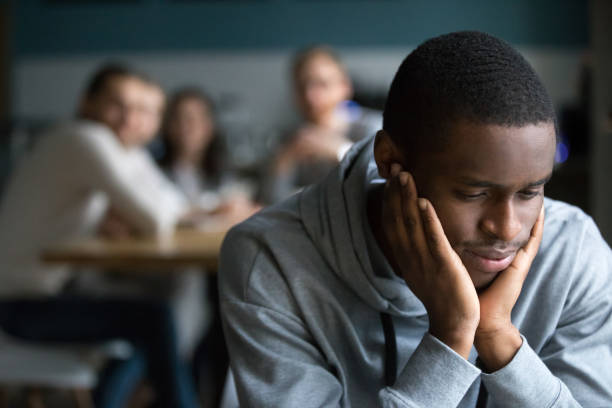
Unfortunately, many students find it difficult to speak openly about their struggles. Some fear being judged, while others do not want to appear weak before their friends. As a result, they keep their problems to themselves, laugh when they feel like crying and say they are fine when they are anything but fine.
The roles of families, lecturers and fellow students in addressing these challenges cannot be overlooked. Sometimes, a simple conversation, a listening ear or a little financial assistance can make a meaningful difference in someone’s life. Educational institutions should also encourage accessible counselling services and create environments where students feel comfortable seeking help.
However, students must also learn that struggling does not mean failing. Every individual has a different journey, and progress does not always happen at the same speed. There is no shame in starting small, asking for help or taking time to recover from difficult experiences.
As the academic journey continues, it is important to remember that students are human beings before they are scholars. They have fears, responsibilities, emotions and personal challenges that may not be reflected in their examination results.
Behind every student is a story, and behind some of the brightest smiles are battles that deserve understanding rather than judgment.
Perhaps the question we should ask is not simply whether students are passing their examinations, but whether they are coping with the realities of the lives they are living.
Because sometimes, the student who appears to have everything together is the one silently hoping that tomorrow will be a little easier than today.


