The
Nigerian population was taken aback on Tuesday as they woke up to yet another
significant
increase in the price of Premium Motor Spirit (PMS), commonly known
as petrol. The news triggered widespread anger and condemnation across the
country, with citizens expressing their discontent and labeling the decision as
insensitive.
The
fuel subsidy regime, which had provided some relief to consumers, was abruptly
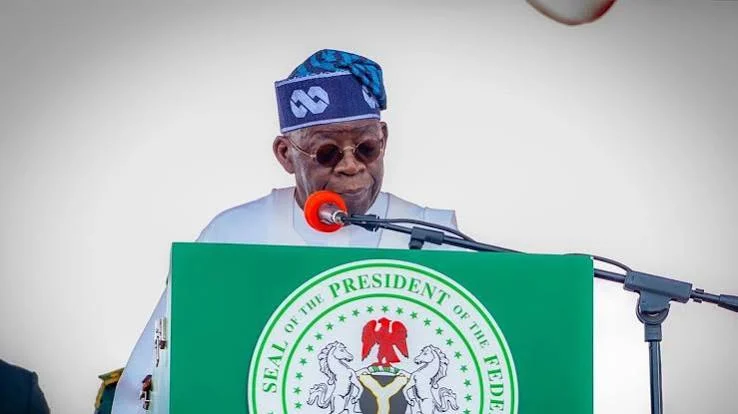
terminated by President Bola Ahmed Tinubu in his inaugural address on May 29,
2023. Despite the subsidy covering the month of June, oil marketers swiftly
adjusted their prices to N500 and above per liter of petrol.
However,
less than two months after the initial price hike, the Nigerian National
Petroleum Company, Limited (NNPCL), announced yet another increase, attributing
it to market forces. This announcement came at a time when citizens were still
grappling with the effects of the May 29 increment, which saw petrol prices
surge from approximately N197 per liter to over N500.
As
a consequence of the soaring prices, many Nigerians decided to park their
vehicles and opt for more economical means of transportation, such as public
transport, while others went as far as selling their cars. This significant
shift in transportation choices resulted in a ripple effect on the prices of
goods and services, causing transportation costs, food prices, and other
essential commodities to skyrocket.
Furthermore,
the price of petrol was not consistent across the country, with variations seen
in different regions. In the nation’s capital, Abuja, petrol was selling for
N617 and above, particularly at NNPC filling stations. However, in other
cities, such as Ogun State, where several filling stations were not dispensing
fuel, those that were operational sold petrol for N650 per liter.
The
price variations extended to other states as well. In Kwara State, petrol
prices ranged from N559 to N617 per liter, while in Niger State, it was sold
between N617 and N620. In Ebonyi State, prices ranged from N620 in urban areas
to N650 to N700 in rural areas. Similar fluctuations were observed in other
states, exacerbating the already dire situation.
Residents
in various states and cities voiced their frustrations with the government’s
decisions. Samson Okoro, a resident of Enugu, criticized the government for
prioritizing the removal of subsidies before reviving the country’s refineries,
leading to dependence on costly imports. He warned that if the suffering
persisted, there might be a point where the masses would revolt.
The
Nigerian National Petroleum Company, Limited (NNPCL), and the Nigerian
Midstream and Downstream Petroleum Regulatory Authority (NMDPRA) justified the
price increase, claiming that the government was no longer able to fix the
market price due to market forces. Mele Kyari, the Group Chief Executive
Officer of NNPCL, explained that prices would fluctuate based on market
realities and assured the public of supply stability.
Elder
Chinedu Okoronkwo, the National President of the Independent Petroleum
Marketers Association of Nigeria (IPMAN), confirmed the price increase, stating
that fuel prices would continue to fluctuate due to market forces and changes
in the foreign exchange market. He emphasized the need for an alternative to
fuel and transparency in the utilization of funds.
The
nationwide condemnation and outrage prompted President Tinubu to intervene. He
ordered an immediate review of the proposed N8,000 palliative package for 12
million households and called for the unveiling of the entire range of
palliative measures implemented by the federal government. He assured Nigerians
that the approved N500 billion would be utilized judiciously to alleviate the
impact of the subsidy removal, regardless of ethnic, religious, or political
affiliations.
However,
the increment and the subsequent reactions from the government and citizens
continued to generate discontent. The Nigeria Labour Congress (NLC) rejected
the increase, accusing the government of further impoverishing the poor while
benefiting the rich. The Nigeria Union of Journalists (NUJ) also expressed
alarm at the suffering experienced by citizens and urged the government to
reconsider the implementation of the policy without adequate mitigating
measures.
Amidst
the ongoing public outcry, Nigerians remained uncertain about future fuel
prices. Mike Osatuyi, the National Operations Controller of IPMAN, suggested
that prices could still fluctuate based on market forces, the exchange rate,
and crude oil prices. He acknowledged the need for transparency in government
spending and emphasized the potential benefits of increased revenue if crude
oil prices were to rise.
The
situation surrounding the fuel price increment in Nigeria remained tense, with
citizens expressing their dissatisfaction and calling for immediate action to
alleviate their plight.