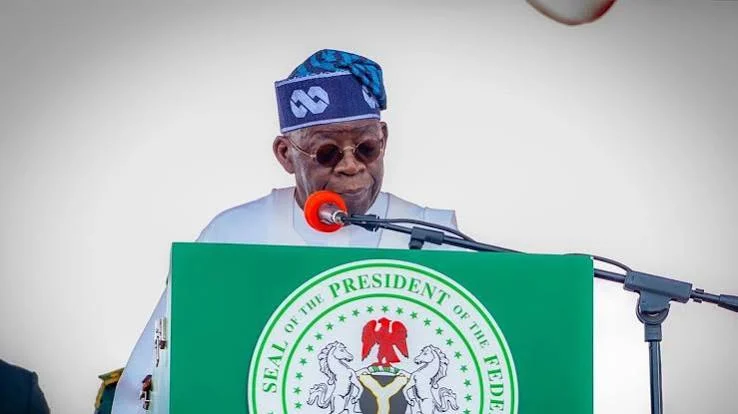
Nigerian singer Eedris Abdulkareem has released a provocative new song titled ‘Emi Lokan,’ in which he criticizes prominent figures including Pastor E.A. Adeboye of the Redeemed Christian Church of God (RCCG) and President Bola Tinubu. The song addresses the current hardships faced by Nigerians and calls out perceived hypocrisy among influential leaders.
In ‘Emi Lokan,’ Eedris accuses Pastor Adeboye of remaining silent in the face of the suffering experienced under President Tinubu’s administration. He contrasts this silence with Adeboye’s vocal criticism of former President Goodluck Jonathan’s government. Eedris sings, “During Goodluck Jonathan, your voice was so loud, you vowed to stage a one-million-dollar march. Hunger and hardship under Tinubu’s government; you said Nigeria has a spiritual problem.”
Eedris calls for Pastor Adeboye to mobilize his followers in protest against the current administration, just as he did against Jonathan. “Baba, we need your one million disciples to protest against Tinubu’s government just the way you protested against President Jonathan. This is a very big hypocrisy; this is the time for you to speak the truth to power because hunger wants to kill Nigerians,” he urges.
The song’s title, ‘Emi Lokan,’ which translates to ‘It’s my turn,’ was a slogan used by Tinubu during his electoral campaign. Eedris twists this phrase to ‘Ebi Lokan,’ meaning ‘It’s hunger’s turn,’ to highlight the widespread hunger and dissatisfaction among Nigerians. He laments, “Emi lokan don turn ebi lokan Yorubas are screaming ‘ebi panwao ooo.’”
Eedris also addresses the ongoing struggles of organized labor in Nigeria, suggesting a radical approach to the issue of minimum wage. He proposes that senators and members of the House of Representatives should be paid N65,000, implying that everyone should experience the same hardships. “Let everybody enjoy the suffering and smiling,” he states.
Eedris Abdulkareem’s latest song serves as a sharp critique of both religious and political leaders, urging them to take a stand and address the severe economic challenges facing Nigerians.