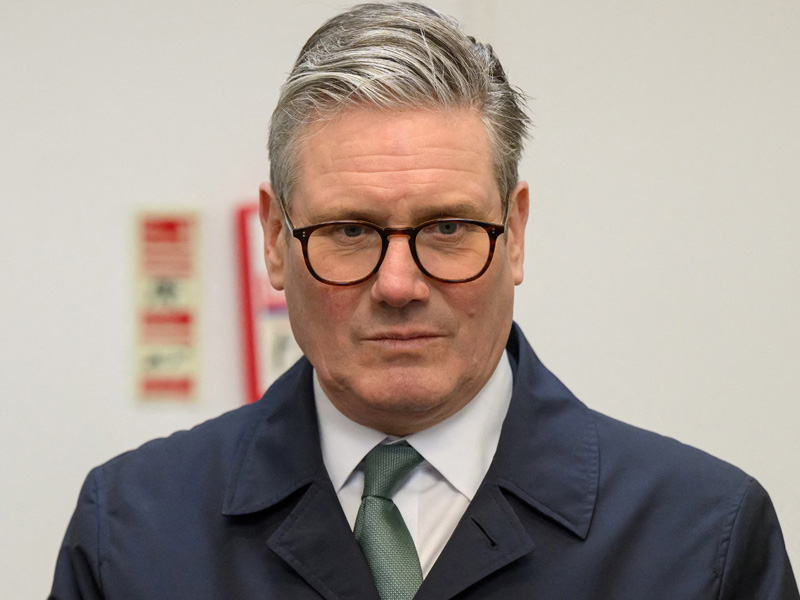
LONDON — United Kingdom Prime Minister Keir Starmer has announced his resignation as both prime minister and leader of the Labour Party, bringing his tenure at the helm of government to an end just two years after securing Labour’s return to power in a historic general election victory.
Speaking outside 10 Downing Street on Monday, Starmer said he had carefully considered whether he remained the right person to lead Labour into the next national election and had accepted the party’s judgment with “good grace.”
The outgoing leader said every decision he made during his time in office was guided by what he believed was best for the country.
“Every decision I have taken has been about putting the country I love first,” Starmer told supporters and members of the media as he confirmed his departure from government.
Reflecting on his political career, Starmer described entering Downing Street in July 2024 as the proudest moment of his life. He said his goal in politics had always been to improve the lives of ordinary citizens and expressed pride in helping Labour return to government after years in opposition.
He also paid tribute to his family, particularly his wife, Victoria, whom he credited for her unwavering support throughout his political journey. Starmer said he now hopes to dedicate more time to his children and family life.
Before formally announcing his resignation, Starmer defended his record as Labour leader, noting that he inherited a party facing significant political, financial and reputational challenges. He highlighted efforts to rebuild public confidence in Labour, including reforms aimed at tackling anti-Semitism and strengthening the party’s standing on economic management, defence and national security.
Attention has now shifted to the contest to replace him. Greater Manchester Mayor Andy Burnham, who recently won the Makerfield by-election and is expected to take his seat in Parliament soon, has emerged as a leading contender for the position.
Senior Labour officials are reportedly preparing for a swift transition process, with some party members suggesting Burnham could become the sole candidate in the race. If that scenario unfolds, a new leader could be installed before or during Labour’s annual conference scheduled for September.
Starmer’s departure marks a significant turning point in British politics, bringing an unexpectedly early end to a leadership that oversaw Labour’s return to government following its commanding election victory in 2024.