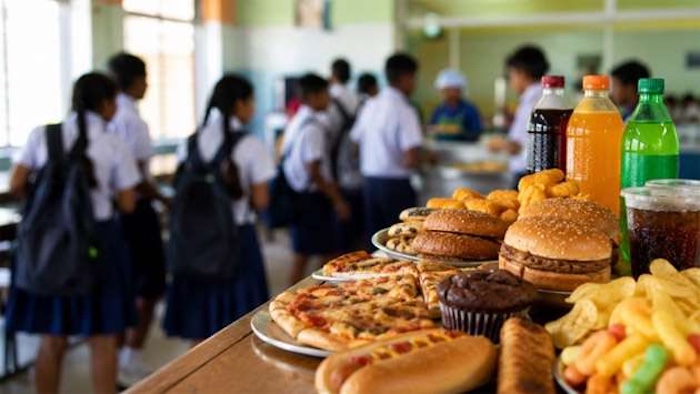
The Sri Lankan government has commenced the enforcement of a nationwide ban on fast food, sugary snacks and other unhealthy food products in schools as part of efforts to address growing childhood obesity and related health challenges.
The policy, which took effect on Tuesday, applies to schools across the country serving an estimated four million students. It follows the introduction of new nutritional guidelines by the Ministry of Education aimed at promoting healthier eating habits among children.
Under the new regulations, schools are prohibited from selling or providing food and drinks considered high in sugar, salt and unhealthy fats. The restrictions cover a broad range of popular items, including burgers, pizzas, hot dogs, doughnuts, pastries, biscuits, ice cream, deep-fried snacks, flavoured milk, energy drinks and condiments such as tomato sauce.
Education authorities said the measures were necessary to combat poor dietary habits that are increasingly contributing to nutritional problems among young people.
According to the ministry, unhealthy eating patterns during childhood significantly increase the risk of developing non-communicable diseases such as diabetes, cardiovascular diseases and cancer later in life.
Official data highlights the scale of the challenge. Government statistics show that 12 per cent of children aged between 13 and 17 were overweight in 2024, while an additional three per cent were classified as obese.
To encourage healthier lifestyles, schools have been directed to offer more nutritious meal options. Recommended foods include rice, fruits, vegetables, fish, meat, eggs, fresh milk and natural fruit juices.
Authorities have also distributed meal plans and recipes based on locally available ingredients to help schools meet the new nutritional standards.
In addition, the government has tightened restrictions on food marketing within educational institutions. Schools are now barred from accepting sponsorships or event support from companies that manufacture, promote or sell unhealthy food products.
The initiative comes as Sri Lanka continues to face wider nutritional challenges. According to UNICEF, approximately 17 per cent of children under the age of five suffer from stunted growth, reflecting ongoing concerns about undernutrition.
At the same time, economic pressures remain significant, with World Bank estimates indicating that about one-quarter of the population lived below the poverty line in 2024. Analysts say the government must balance efforts to reduce obesity with broader measures aimed at improving food security and nutrition nationwide.