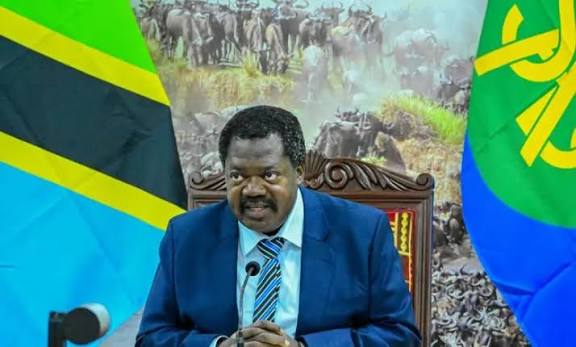
Tanzania’s Vice-President Emmanuel Nchimbi has resigned less than 10 months after taking office, becoming the first deputy president in the country’s history to step down.
Nchimbi, 54, announced his resignation in a brief letter shared on Instagram, citing his belief that President Samia Suluhu Hassan wanted changes in her deputy.
“I have become convinced, without doubt, that the president wants changes, and I have therefore decided to fulfil my promise,” he wrote, referring to an earlier pledge to resign if Hassan wished to appoint another vice-president.
Sources in both the vice-president’s office and the presidency confirmed the resignation. Nchimbi said he would leave public life at the end of next week.
His departure follows weeks of reports suggesting growing tensions between the two leaders. Last month, Nchimbi publicly called on Tanzanians to “fight for a new constitution,” arguing that constitutional reform could help tackle injustice, strengthen human rights, improve governance and deepen democracy.
Nchimbi was President Hassan’s running mate in last October’s disputed presidential election, which was followed by deadly unrest. The pair were sworn in last November after officially securing 98% of the vote.
An official inquiry said at least 500 people died in violence that followed the election. Opposition groups and human rights organisations accused security forces of carrying out a brutal crackdown on anti-government protesters.
In his resignation letter, Nchimbi thanked President Hassan, the ruling Chama Cha Mapinduzi (CCM) party and Tanzanians for their support throughout his years in public service.
He said he was resigning in line with Tanzania’s constitution and would remain a “good citizen of Tanzania.”
Before becoming vice-president, Nchimbi served as CCM secretary-general and held several senior government positions, including minister of information and minister of home affairs. He also represented Tanzania as ambassador to Brazil and Egypt.
His sudden resignation marks a historic moment in Tanzania’s political history and comes amid renewed questions about the future of the country’s leadership and constitutional reforms.