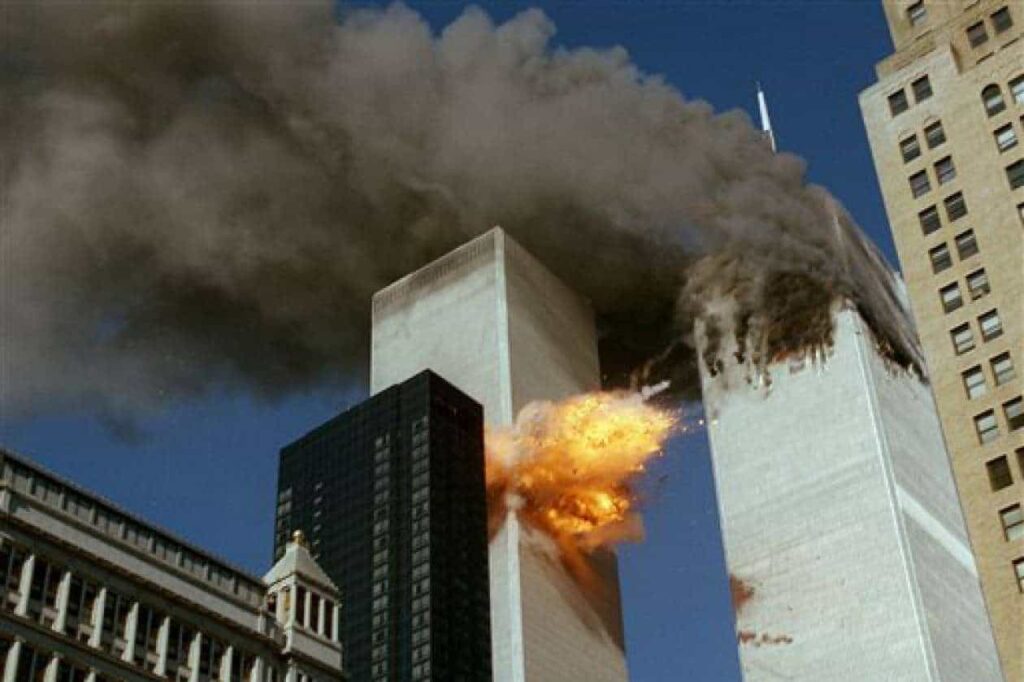
Twenty-five years after the September 11, 2001 terrorist attacks, the United States House Committee on Homeland Security has called for a new wave of security reforms to address evolving threats facing the country.
The committee issued more than 20 recommendations covering intelligence-sharing, counterterrorism, artificial intelligence, cybersecurity, border security and emergency preparedness in a report released Thursday.
Titled “25th Anniversary Report: National Security Improvements and the Domestic Threat Landscape 25 Years After 9/11/01,” the report reviews the progress made in strengthening US homeland security since the attacks and identifies areas requiring further action.
Committee Chairman Andrew R. Garbarino said the United States had made significant progress in strengthening national security since 9/11 but warned that continued vigilance and adaptation were necessary.
“Twenty-five years later, significant progress has been made towards strengthening our national security and ensuring we never again allow such an attack to be perpetrated against the United States,” Garbarino said.
He added that preventing future attacks would require the country to continually adapt its security systems to emerging threats.
Among its recommendations, the committee called for improved information-sharing between federal, state and local law enforcement agencies, including through enhanced field operations.
It also urged the adoption of uniform definitions of security threats, greater awareness of emerging terrorist tactics and organisations, and increased support for homeland security research.
On aviation security, the committee recommended restoring the passenger security fee to its intended purpose, extending the Transportation Security Administration’s One-Stop Pilot Program and expanding initiatives aimed at improving travel for low-risk passengers.
The report also placed significant emphasis on cybersecurity and artificial intelligence. The committee called for modernised information-sharing authorities, stronger coordination and additional resources to ensure the Cybersecurity and Infrastructure Security Agency can respond effectively to current threats.
It further recommended harmonising cybersecurity regulations around security outcomes and developing risk-based artificial intelligence cybersecurity standards for critical infrastructure.
On border security, the committee called for full implementation of a biometric entry-exit system, greater use of emerging technologies and stronger international partnerships. It also recommended additional resources for northern border security and expanded use of non-intrusive inspection technology.
The panel urged stronger emergency preparedness through stable grant funding, adequate resources for major events and improved incident-management capabilities.
Other recommendations include continued funding for the Emergency Management Performance Grant, reauthorisation and training for the National Domestic Preparedness Consortium, and continued support for the Department of Homeland Security’s chemical, biological, radiological and nuclear security programmes.
The committee also called for improved biodetection capabilities, statutory authorisation for the National Biodefense Analysis and Countermeasures Center and stronger preparedness against agroterrorism.
It recommended support for the reauthorisation of FirstNet, the nationwide public-safety communications network, as well as increased funding for the Office of SAFETY Act Implementation.
The panel urged Congress and the executive branch to act quickly and on a bipartisan basis, arguing that the measures would provide greater long-term stability across the homeland security system.
The report followed a year of congressional hearings, briefings, roundtables and site visits examining transportation security, counterterrorism, intelligence-sharing, federal law enforcement coordination, critical infrastructure protection and the operations of agencies within the Department of Homeland Security.
The committee said the review was also intended to preserve the lessons of 9/11 for younger generations and future national security officials while ensuring that the country remains prepared for threats that continue to evolve.