


By Oguw Vanessa Chiamaka
Stress, burnout and emotional exhaustion among young people
At 1 a.m., while most of the house is quiet, 22-year-old Maya is still awake, staring at her phone. Her assignment is due in the morning.
Messages keep coming in, and her mind is already worrying about the next day. She knows she is weak and tired, but when someone asks how she is doing, her answer is simple: “I’m fine.”
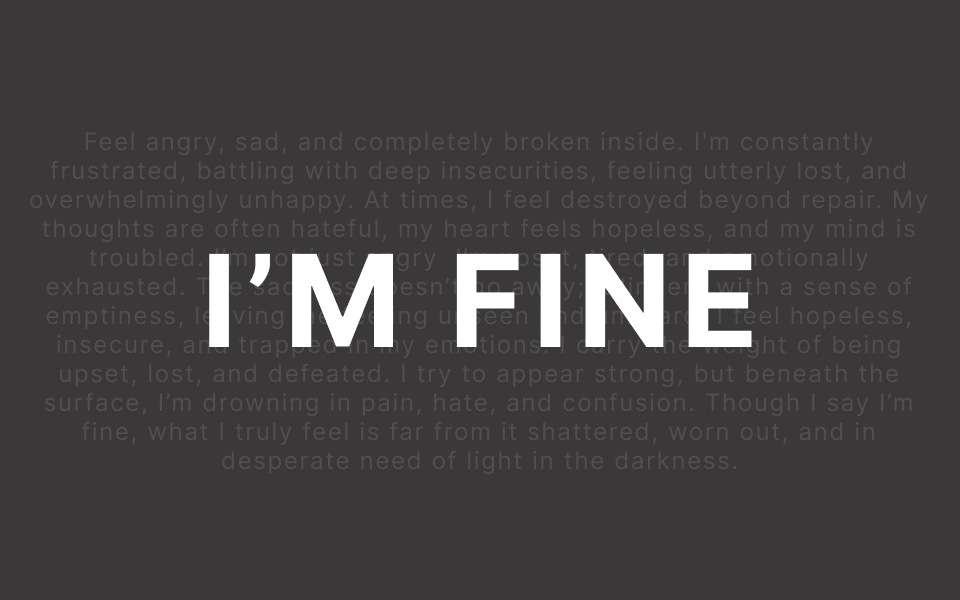
For many people, “I’m fine” has become an easy response, even when everything does not feel fine.
Between work, school, relationships, financial strain and social media expectations, many young people are constantly dealing with one demand after another. Social media also exposes them to standards of lifestyles, appearances and behaviours that people are often expected to meet or display online.
Sometimes, there is barely enough time to think or rest before another responsibility arrives. The brain needs rest just as the body does.
When stress continues for a long time without adequate rest, people may begin to experience tiredness, poor concentration, brain fog, anxiety and even a loss of interest in things they once enjoyed doing.
For a student, this might mean appearing happy in front of others, attending lectures and submitting assignments while privately struggling to keep up.
“I used to think being tired was normal because everyone around me was also tired,” Maya says.
She adds, “I did not realise how exhausted I was until even the little things started to irritate me.”
According to Alishba Mahmood, a specialist in mental health studies (HBSc) at the University of Toronto, “It’s completely natural to want to hide or change how we feel. But sometimes, the most powerful thing we can do is simply sit with our emotions, accept that we’re not okay, and honour ourselves for having the courage to feel. That, too, is a form of strength.”
She further explains that understanding why people hide their emotions can be an important step towards emotional healing and becoming a more authentic version of themselves.
Many young adults view rest as a reward they must earn through exhaustion. This mindset is often driven by the constant fear that taking a break means falling behind.
However, our brains cannot function endlessly without consequences. Taking breaks, sleeping properly, getting enough rest, talking to someone and knowing when to slow down are not signs of weakness.
Sometimes, “I’m fine” is not the truth. Sometimes, it is simply the easiest answer to give when someone does not want to say, “I am tired. I need help.”


