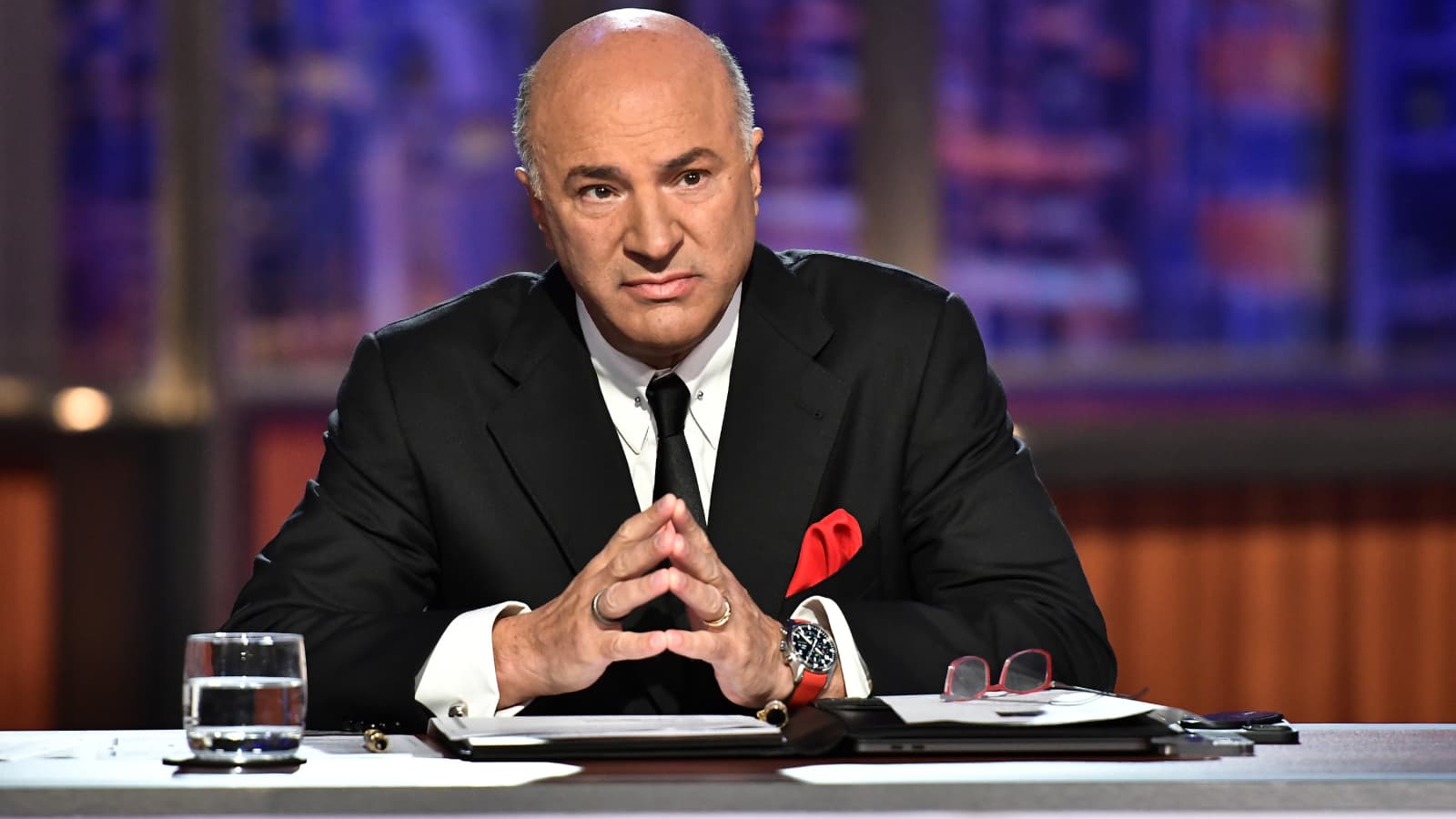
In a bold and unexpected move, Canadian businessman and investor Kevin O’Leary has offered $20 billion in cash to acquire TikTok, the globally popular social media platform owned by Chinese tech giant ByteDance. This high-stakes bid comes as ByteDance faces mounting pressure from the U.S. government to divest or sell the platform, following ongoing national security concerns.
The U.S. Ban and ByteDance’s Dilemma
The U.S. Supreme Court recently upheld a decision supporting the government’s potential ban of TikTok unless ByteDance complies with an impending divestiture deadline. This ruling has heightened the urgency for ByteDance to act, with O’Leary’s offer now thrust into the spotlight as a possible solution to save TikTok’s operations in the U.S.
During an appearance on Fox News’s America’s Newsroom on Friday, O’Leary highlighted the financial repercussions for TikTok service providers if the platform is banned. He noted that hefty fines of $5,000 per day, multiplied by TikTok’s estimated 170 million U.S. users, could amount to over $1 billion in daily penalties.
“TikTok has become a critical platform for content creators and businesses in the U.S., but its survival here depends on a quick resolution,” O’Leary said.
O’Leary’s $20 Billion Proposal
O’Leary’s cash offer of $20 billion is one of the most significant acquisition attempts in the social media industry. However, the deal faces a major obstacle: ByteDance has stated that it will not sell the core technology underpinning TikTok, which includes its proprietary recommendation algorithm—widely regarded as the secret to the app’s meteoric success.
Without access to this key technology, O’Leary’s acquisition offer may lose its appeal, as the platform’s user experience and competitiveness would likely suffer without the algorithm’s functionality.
Industry Reactions and Speculations
O’Leary’s move has sent shockwaves through the tech and financial industries, sparking widespread debate over whether his bid could realistically resolve the U.S. government’s concerns. Critics argue that even if ByteDance accepts the offer, U.S. regulators may demand additional safeguards to ensure TikTok’s independence from Chinese influence.
Others see O’Leary’s proposal as a strategic gamble. By offering such a substantial sum, the investor positions himself as a potential savior of TikTok’s U.S. presence, potentially earning significant influence in the tech industry.
What’s Next for TikTok?
As the deadline looms, ByteDance must decide whether to accept O’Leary’s offer, seek alternative buyers, or risk losing access to the lucrative U.S. market altogether. Meanwhile, content creators, advertisers, and businesses heavily reliant on TikTok face uncertainty about the platform’s future in the U.S.
The unfolding drama underscores the increasing scrutiny surrounding Chinese tech companies operating in Western markets and the challenges of navigating geopolitical tensions in a digitally connected world.
Whether O’Leary’s $20 billion offer will save TikTok or whether the platform will face an outright ban remains to be seen, but the stakes couldn’t be higher for all parties involved.