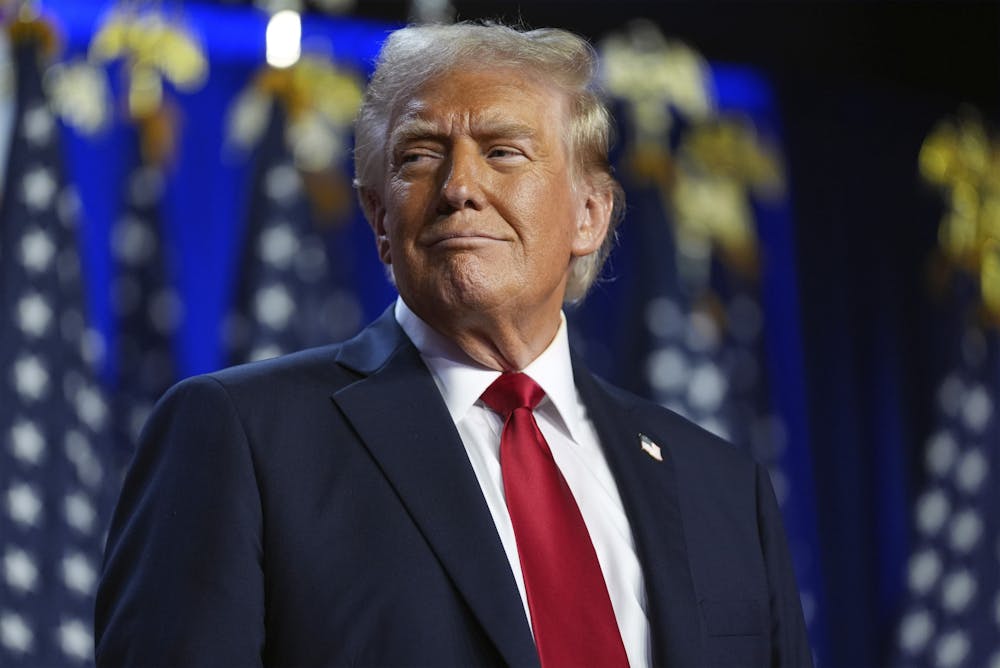
In an unprecedented act, President Donald Trump granted pardons on Monday to more than 1,500 individuals charged in connection with the January 6, 2021, Capitol riot. The move, made just hours after Trump’s inauguration, fulfills a campaign promise and reignites intense debate over the events of that fateful day.
A Controversial Decision
The sweeping pardon covers individuals convicted or awaiting trial for their roles in the storming of the Capitol, which disrupted the certification of Joe Biden’s 2020 presidential victory. Trump described the rioters as “patriots” and “political prisoners” during a signing ceremony at the White House, asserting that the pardons were necessary to “restore justice.”
“We hope they come out tonight, frankly,” Trump said, referencing those still imprisoned.
High-Profile Beneficiaries
Among those pardoned were Enrique Tarrio, former leader of the Proud Boys, and Stewart Rhodes, founder of the Oath Keepers, both of whom had been convicted of seditious conspiracy. Tarrio had been serving a 22-year sentence, while Rhodes was sentenced to 18 years. Their sentences were commuted to time served, and they were released immediately.
The pardons also extended to nine other members of the Oath Keepers and five Proud Boys who faced lengthy sentences for their roles in organizing and participating in the Capitol assault.
Democratic Outrage and Police Concerns
The pardons were met with swift condemnation from Democratic leaders and law enforcement officials. Former House Speaker Nancy Pelosi labeled the move “an outrageous insult to our justice system.”
“It is shameful that the president’s first act is to abandon and betray the police officers who defended the Capitol at great personal cost,” Pelosi stated, referencing the over 140 officers injured during the attack.
The January 6 riot saw Trump supporters wield flagpoles, bats, and other makeshift weapons in clashes with law enforcement. The violence left scars—physical and emotional—on many officers who defended the Capitol that day.
Trump’s Justification
Trump, who referred to the January 6 events as a “day of love,” maintained that the pardons were a matter of correcting perceived injustices. He criticized the previous administration’s handling of the cases, calling them “politically motivated prosecutions.”
The Legal Fallout
The pardons effectively end ongoing prosecutions against Capitol riot defendants, with Trump ordering the Justice Department to drop all pending cases. Legal experts note that while the president’s pardon power is broad, this mass action is virtually unparalleled in modern history.
Biden’s Preemptive Pardons
In a surprising twist, outgoing President Joe Biden issued preemptive pardons to several individuals, including Dr. Anthony Fauci, General Mark Milley, and members of his family, citing “unrelenting attacks” from political adversaries. Biden also extended clemency to Republican lawmaker Liz Cheney and members of the January 6 congressional committee, shielding them from potential legal retaliation under the Trump administration.
Implications for the Nation
The dual pardons from Trump and Biden highlight deepening divisions in the U.S. political landscape. Trump’s sweeping clemency for the rioters signals his continued alignment with the movement that stormed the Capitol, while Biden’s preemptive pardons reflect concerns over future political retribution.
As the dust settles on Trump’s first day back in office, the nation braces for the fallout of these controversial decisions, which are sure to fuel ongoing debates about accountability, justice, and the future of American democracy.