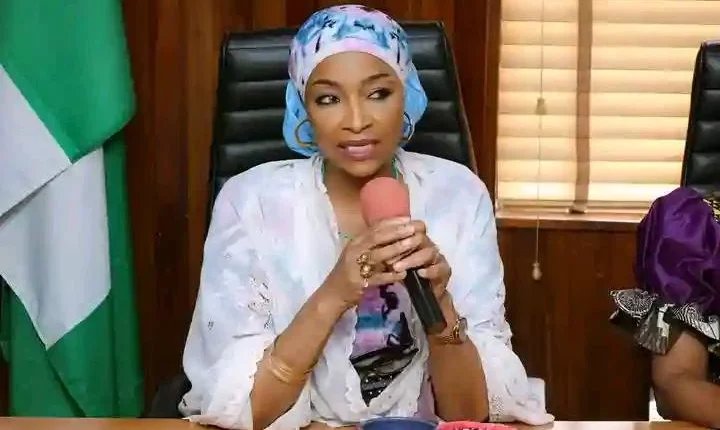
The Federal Government of Nigeria has unveiled an ambitious plan to significantly boost the nation’s economy through the creative sector. Minister of Art, Culture, Tourism, and Creative Economy, Hannatu Musawa, announced that the sector aims to contribute at least $100 billion to Nigeria’s Gross Domestic Product (GDP) and generate approximately two million jobs by the year 2030.
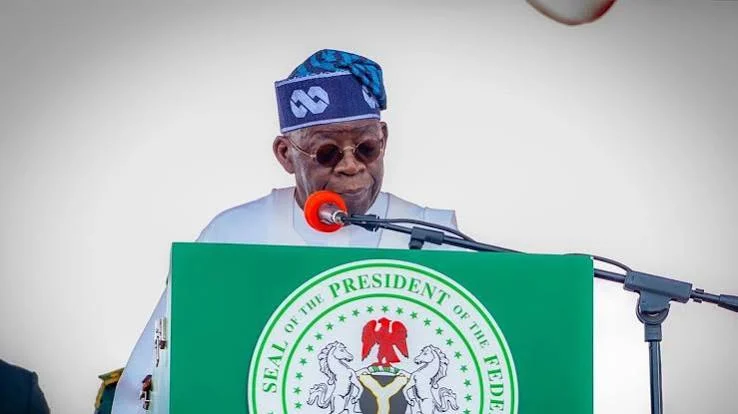
This strategic initiative was approved during a recent Federal Executive Council meeting chaired by President Bola Ahmed Tinubu. The council endorsed the establishment of the Creative Economy Development Fund (CEDF) and the implementation of the Intellectual Property Monetisation Pilot. These programs are designed to provide financial support and infrastructure development for Nigeria’s burgeoning creative and tourism industries.
Minister Musawa emphasized the critical need for infrastructure to support the creative sector’s growth. She highlighted that, despite Nigeria’s rich talent and content, the lack of adequate infrastructure has hindered the industry’s full potential. The government’s plan includes developing world-class facilities, attracting investment, nurturing talent, and promoting Nigeria’s cultural heritage. Key projects under consideration are:
- Abuja Resort Range
- Yankari Game Reserve
- Abuja Creative City
- Establishment of 5,000 cinema screens
- Wole Soyinka Lagos Center for African Arts
- Digital distribution network
- Upgrading the National Gallery
- Expanding the National Arena’s capacity
- Establishing a Nigerian museum in Abuja
- Developing Nollywood as a prominent destination
- Creating a music arena
These initiatives aim to bridge the existing infrastructure gap, thereby unlocking the immense value within Nigeria’s creative and tourism sectors. The government is committed to implementing policies that will build a strong foundation for these industries, ultimately leading to substantial economic growth and global recognition of Nigeria’s cultural assets.
The establishment of the CEDF and the Intellectual Property Monetisation Pilot represents a significant step toward realizing these goals. By providing necessary financial support and fostering an environment conducive to innovation, the government seeks to position Nigeria as a global hub for arts, culture, and creativity by 2030.
Minister Musawa expressed optimism about the future, stating that the implementation of these initiatives will propel Nigeria’s creative and tourism industries to new heights, enhancing economic growth and establishing the country as a focal point of global interest.
The government’s comprehensive approach underscores its dedication to diversifying the economy and leveraging Nigeria’s rich cultural heritage to achieve sustainable development and prosperity.