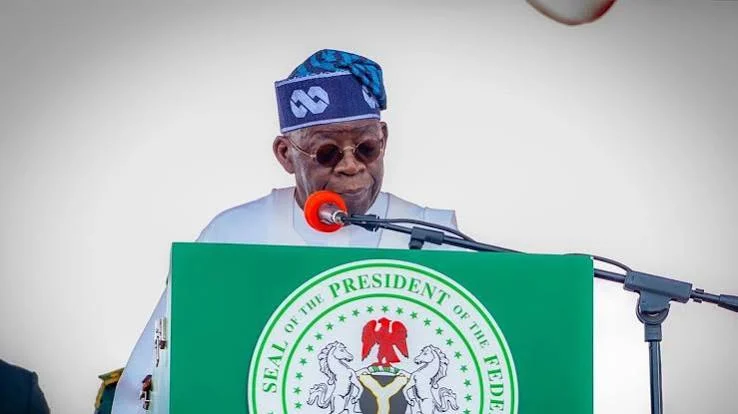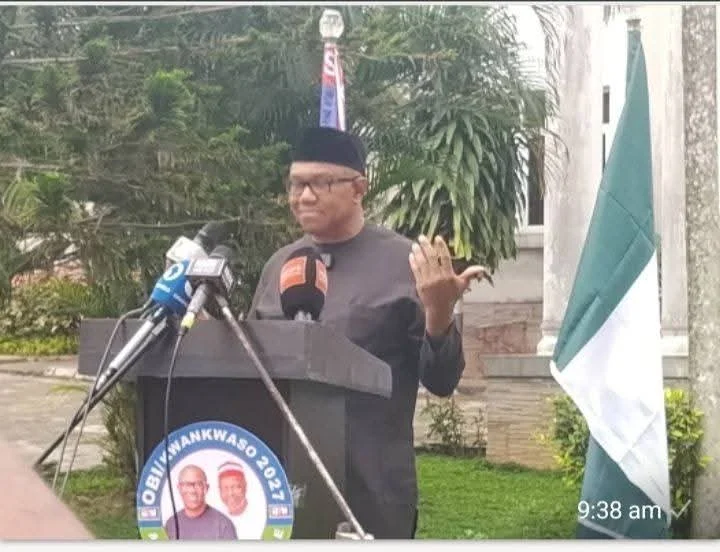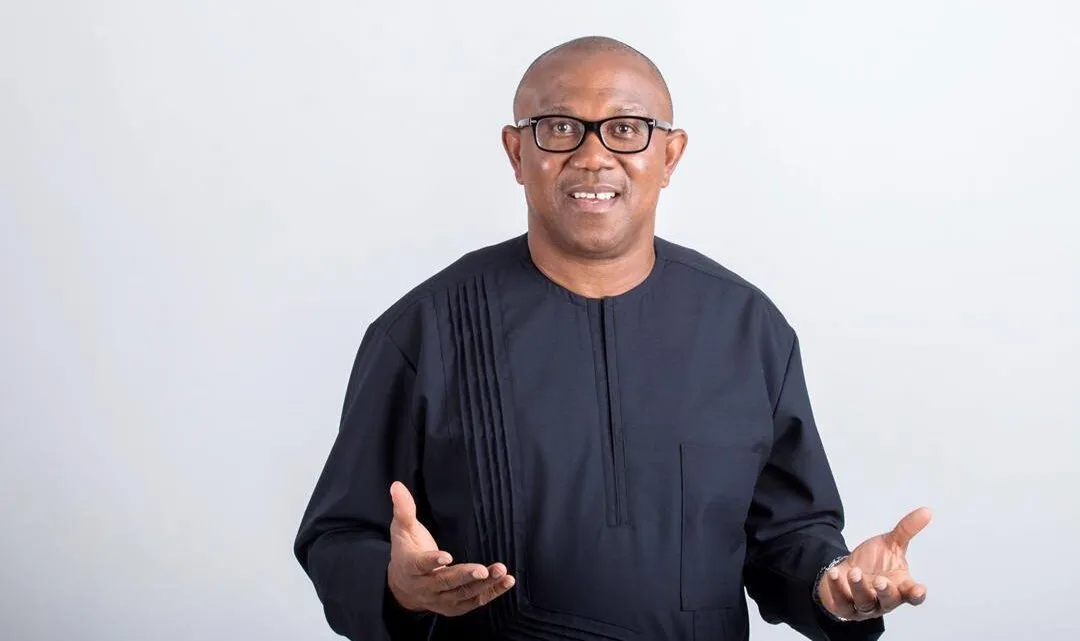
Former presidential candidate of the Labour Party, Peter Obi, has openly criticised President Bola Ahmed Tinubu over his planned trip to Saint Lucia, describing the visit as grossly insensitive and poorly timed, given the dire socio-economic challenges currently plaguing Nigeria.
Obi’s reaction follows a statement released on Friday by Bayo Onanuga, the Special Adviser to the President on Information and Strategy, which confirmed that President Tinubu would embark on a state visit to the Caribbean island nation of Saint Lucia on Saturday. According to Onanuga, the visit is aimed at strengthening diplomatic ties between Nigeria and Caribbean nations and enhancing South-South cooperation. Following the Caribbean stop, Tinubu is expected to proceed to Brazil for the 17th BRICS Summit in Rio de Janeiro.
However, Obi, in a strongly worded statement titled “No, Mr President, This is Not the Time for Holidaying,” lambasted the President’s decision, saying it displayed an alarming level of disconnect from the suffering of ordinary Nigerians.
“I didn’t want to believe that anybody in a position of authority—more so, the President—on whose table the buck stops, would contemplate a leisure trip at this time when virtually all areas of governance are in deep crisis,” Obi wrote.
The former governor of Anambra State highlighted the worsening state of insecurity, hunger, and the devastation caused by natural disasters, arguing that the President’s international engagements appear to ignore the urgent domestic needs of the nation.
“What I have witnessed in the last two years has left me in shock. Governance delivery is at its lowest, while political grandstanding and elite indulgence take center stage. The masses are struggling, but those in power are focused on anything but relief,” he added.
Obi expressed further outrage over what he described as Tinubu’s pattern of absentee leadership, citing the President’s lack of physical presence in regions recently affected by disasters—particularly Minna, Niger State, where floods reportedly claimed over 200 lives and left hundreds missing.
“With Nigeria now ranking among the most insecure places in the world and more citizens dying from criminality than some countries at war, one would expect the President to remain fully engaged at home,” Obi stated.
He also criticized Tinubu’s recent visit to Benue State, describing it not as a genuine gesture of condolence but rather a political outing aimed at optics and partisan interest.
“Nigerians are hungrier today than they were two years ago. Most do not know where their next meal will come from. With such a grim picture, seeing the President fly off to Saint Lucia for diplomatic or leisure reasons is, quite frankly, bewildering,” Obi concluded.
The statement has sparked renewed debate over the Tinubu administration’s handling of governance and public perception, particularly in light of the country’s economic downturn, rising food prices, widespread insecurity, and increasing public dissatisfaction.
While the Presidency maintains that Tinubu’s foreign visits are strategic and aimed at bolstering Nigeria’s international relationships, critics like Obi argue that such actions represent a glaring detachment from the immediate needs of the Nigerian people.