The United Nations High Commissioner for Human Rights, Volker Turk, has strongly condemned Israel’s plan to seize full military control of the Gaza Strip, calling for its immediate termination. The proposed action, Turk said, would violate international law and undermine prospects for a peaceful resolution to the long-running Israeli-Palestinian conflict.
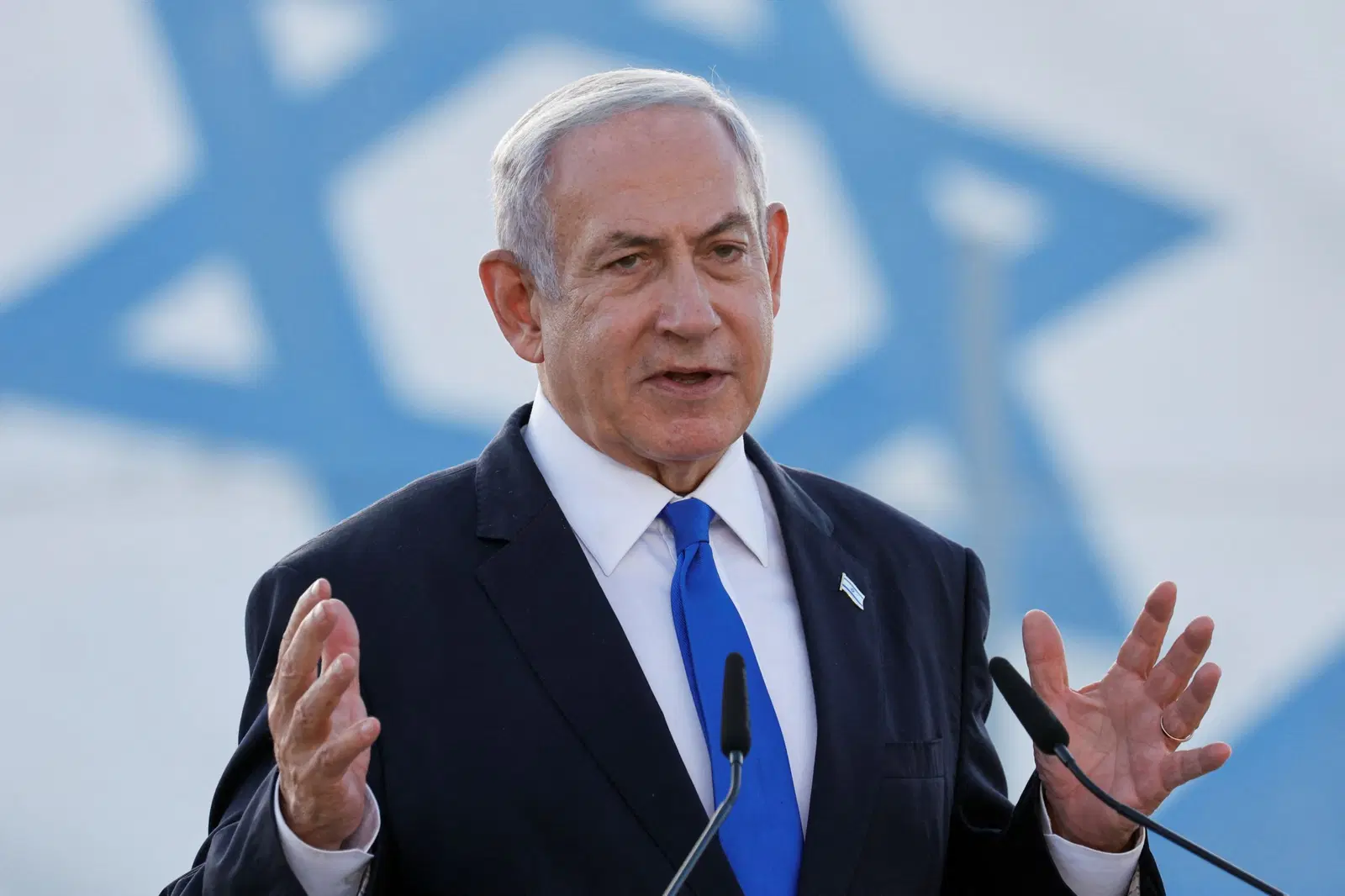
The reaction follows an announcement from the office of Israeli Prime Minister Benjamin Netanyahu, outlining a new phase in the country’s military campaign aimed at defeating Hamas. The plan includes the Israeli Defense Forces (IDF) preparing to take control of Gaza City while simultaneously coordinating the distribution of humanitarian aid in designated non-combat zones.
Turk, speaking on Friday, warned that the move not only contradicts the recent ruling of the International Court of Justice (ICJ) — which ordered Israel to work towards ending its occupation — but also threatens the realization of a viable two-state solution and the Palestinian people’s right to self-determination.
“This plan to assume complete military control over Gaza runs contrary to international legal obligations and must be halted immediately,” Turk stated. “Occupation cannot continue indefinitely without violating the rights of those under it.”
The UN rights chief emphasized the need for both sides to adhere to international humanitarian principles. He called on Israel to permit the “full, unfettered flow of humanitarian aid” to Gaza, where the humanitarian crisis has reached catastrophic levels. Simultaneously, he urged Palestinian armed factions to release all hostages unconditionally.
Turk also demanded the release of Palestinians held in Israeli custody under what he described as “arbitrary detention,” stating that the principles of justice and human rights must be universally upheld.
The statement adds to the growing international pressure on Israel amid heightened tensions and devastation in Gaza, where thousands of civilians have been killed and displaced since the conflict escalated.
Diplomatic observers warn that without a shift towards negotiation and adherence to international rulings, the cycle of violence and occupation risks deepening regional instability.