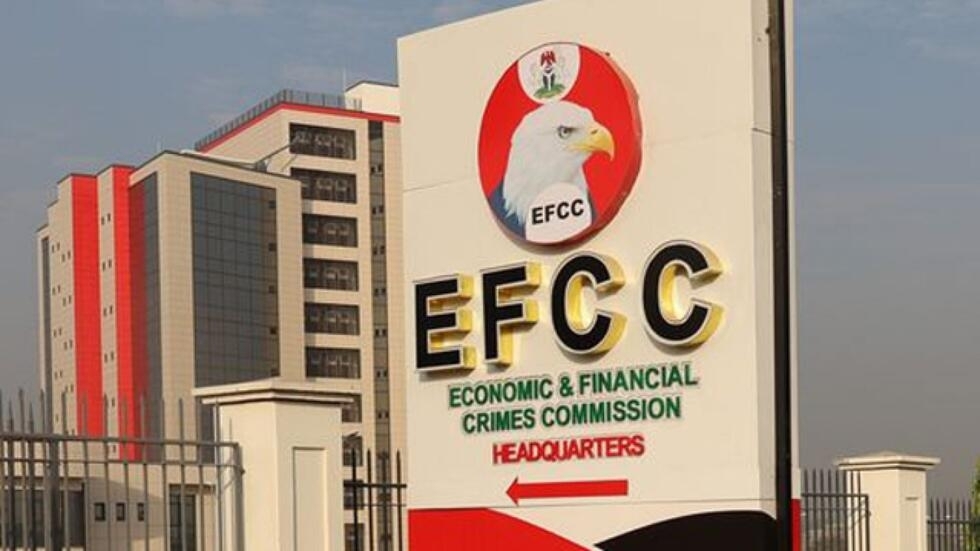
The Economic and Financial Crimes Commission (EFCC) has intensified its probe into the multi-billion-dollar turnaround maintenance of Nigeria’s refineries, recovering over ₦5 billion and $10 million from contractors and government officials implicated in the scheme.
According to reliable sources, the anti-graft agency is also on track to recover an additional ₦10 billion and $13 million allegedly siphoned through inflated contracts and fraudulent dealings tied to the rehabilitation of the Port Harcourt, Warri, and Kaduna refineries.
Investigations revealed that despite decades of massive public spending, the nation’s four refineries remain largely dormant, forcing Nigeria to rely on imported petroleum products. Records show that $1.55 billion was allocated to the Port Harcourt refinery, $740 million to Kaduna refinery, and $656 million to Warri refinery, yet the facilities continue to underperform.
EFCC Chairman, Ola Olukoyede, is said to have taken personal charge of the investigation, expressing deep frustration over the failure of the refineries despite billions of dollars pumped into their maintenance.
Top EFCC sources disclosed that fraudulent practices—including over-invoicing, contract inflation, and questionable payments—were rampant in the execution of rehabilitation contracts. Several former management officials of the Nigerian National Petroleum Company Limited (NNPCL) and the refineries have been repeatedly interrogated, with some cases already concluded.
“Our investigation uncovered large-scale fraud responsible for the collapse of the refineries. We have so far recovered ₦5 billion and $10 million from indicted contractors and officials,” one source confirmed.
The commission is reportedly preparing charges against both serving and retired NNPCL officials, alongside contractors implicated in the fraud. Another insider revealed that the EFCC is probing fresh allegations of contract inflation worth about $40 million, linked to procurement deals for equipment intended for the rehabilitation projects.
While EFCC’s Head of Media and Publicity, Dele Oyewale, was unavailable for comments as of press time, a senior official confirmed the recoveries, stressing that more funds are expected to be traced and retrieved in the coming weeks.
The refinery scandal underscores one of Nigeria’s deepest governance failures—billions of public funds spent without results, leaving the nation’s critical oil infrastructure in disrepair while fueling widespread public outrage.