Nepal has sworn in its first set of interim ministers as part of efforts to restore order and stability following a wave of violent youth-led anti-corruption protests that toppled the previous government.
In a nationally televised ceremony held on Monday under an outdoor awning beside the fire-damaged presidential office, President Ram Chandra Paudel administered the oath of office to three new ministers appointed by interim Prime Minister Sushila Karki.
The appointments come amid the worst unrest in the Himalayan nation since the end of its decade-long civil war and the abolition of the monarchy in 2008. The protests, which erupted on 2025 Nepal anti-corruption protests after a controversial ban on social media, quickly spiraled into widespread violence, with government buildings, including parliament, set ablaze.
Official figures show at least 72 people were killed in just two days of demonstrations, while 191 others remain hospitalized with injuries.
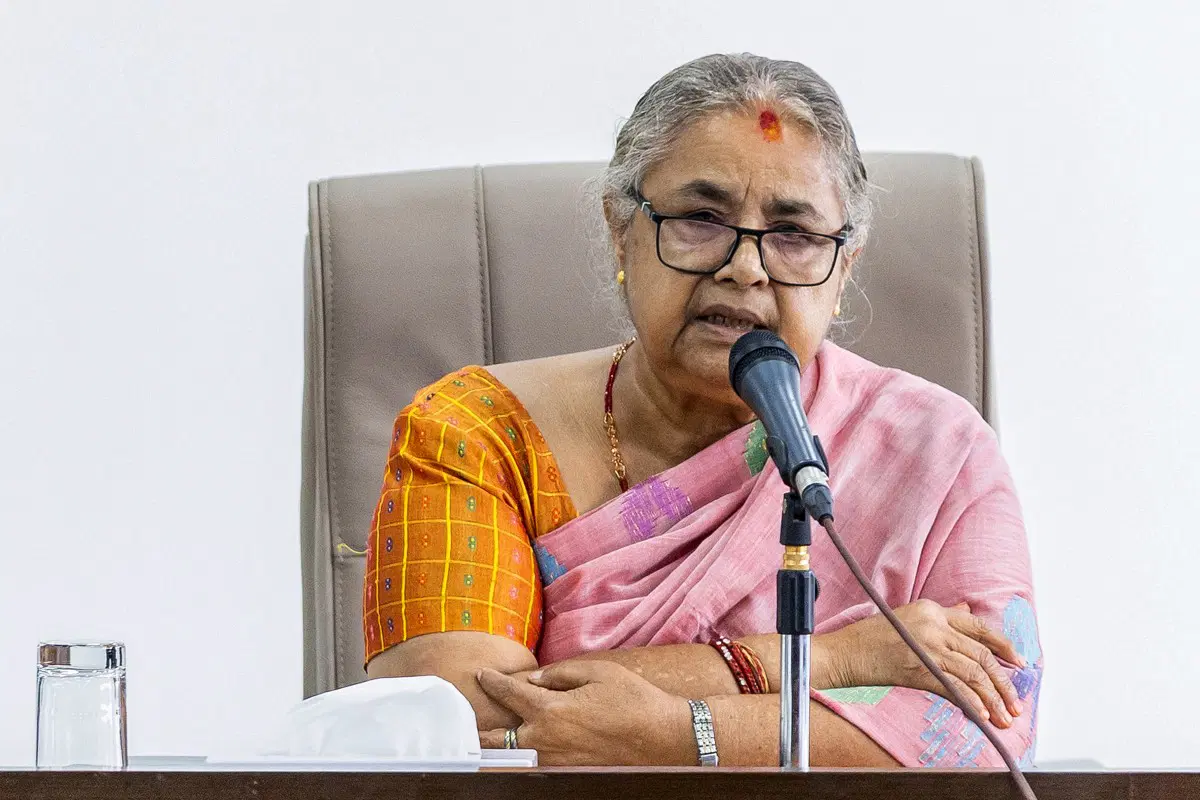
Karki, 73, a former chief justice, has been tasked with steering the country through this turbulent period and addressing protesters’ demands for a corruption-free government ahead of snap elections scheduled for March.
Among the new appointees are:
- Om Prakash Aryal, a prominent advocate known for tackling corruption and governance issues, who has been named Minister of Home Affairs as well as Law, Justice and Parliamentary Affairs.
- Kulman Ghising, former head of the Nepal Electricity Authority and widely credited with ending the nation’s chronic power shortages, who will oversee Energy, Infrastructure, Transport and Urban Development.
- Rameshwor Khanal, a respected economist and former finance secretary, who has been appointed Minister of Finance and is expected to confront the severe unemployment crisis that fueled the unrest.
A fifth of Nepalis aged 15 to 24 are currently unemployed, according to the World Bank, with the country’s GDP per capita standing at just $1,447.
Analysts say the success of the new interim administration will depend on its ability to restore public trust, rebuild damaged infrastructure, and implement urgent economic reforms while ensuring accountability in government institutions.