U.S. President Donald Trump has warned that the United States could cut off aid to Nigeria and even launch military action if attacks on Christians in the country continue, escalating tensions between Washington and Abuja.
In a post on his social media platform, Trump said the U.S. would “immediately stop all aid and assistance to Nigeria” and that it “may very well go into that now disgraced country, ‘guns-a-blazing,’ to completely wipe out the Islamic terrorists who are committing these horrible atrocities.” He added that he had instructed the Pentagon — which he referred to as the “Department of War” — to prepare for possible action.
The post followed Trump’s decision to designate Nigeria a “country of particular concern” for religious freedom — a U.S. classification used to identify states allegedly responsible for severe violations of religious liberty. The designation can precede sanctions and other punitive measures.
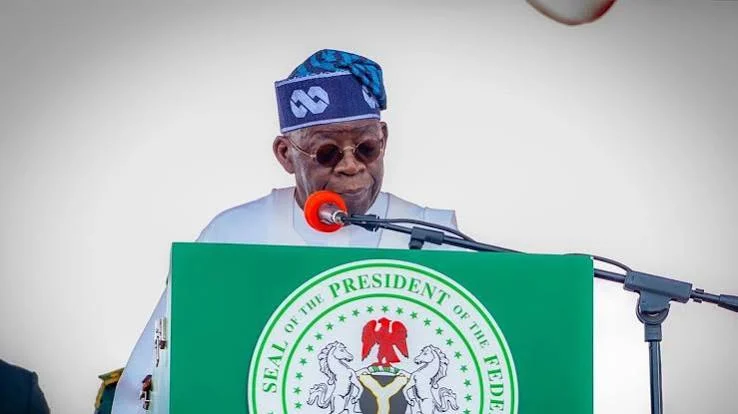
Nigerian authorities swiftly rejected the president’s characterization. President Bola Ahmed Tinubu and the Ministry of Foreign Affairs defended Nigeria’s record on religious freedom and reiterated the government’s commitment to protecting all citizens, while urging continued cooperation to tackle violent extremist groups.
Reactions from analysts highlighted the complexities on the ground: while extremist groups such as Boko Haram and other armed factions have targeted communities across Nigeria, experts cautioned that victims include both Christians and Muslims, and that the violence is driven by a mix of insurgency, communal conflicts, and criminality.
U.S. media and international outlets reported that Trump’s remarks marked a sharp escalation, with some noting the rhetorical and diplomatic risks of threatening direct military intervention in a sovereign nation without clear multilateral support or a United Nations mandate.
Washington’s next steps remain unclear. Some U.S. officials signaled they would review aid and diplomatic options, while others stressed the need for careful intelligence verification before any military planning is advanced. The Pentagon has not publicly confirmed details of any operational preparations.
Humanitarian and rights groups called for measured responses focused on protecting and supporting victims, urging that any U.S. action be grounded in verified evidence and coordinated with regional partners to avoid further destabilization.
The dispute comes amid heightened scrutiny of Nigeria’s security situation and renewed debate in Washington over how best to respond to reports of religiously motivated violence — a debate that could have far-reaching diplomatic and humanitarian consequences for the region.