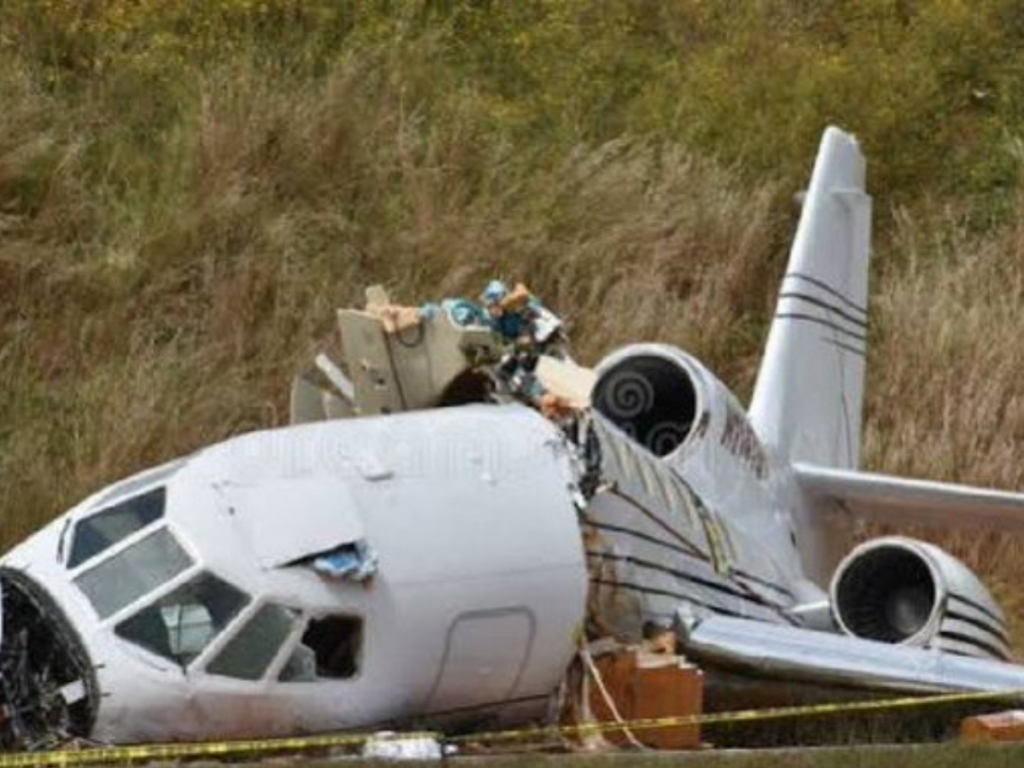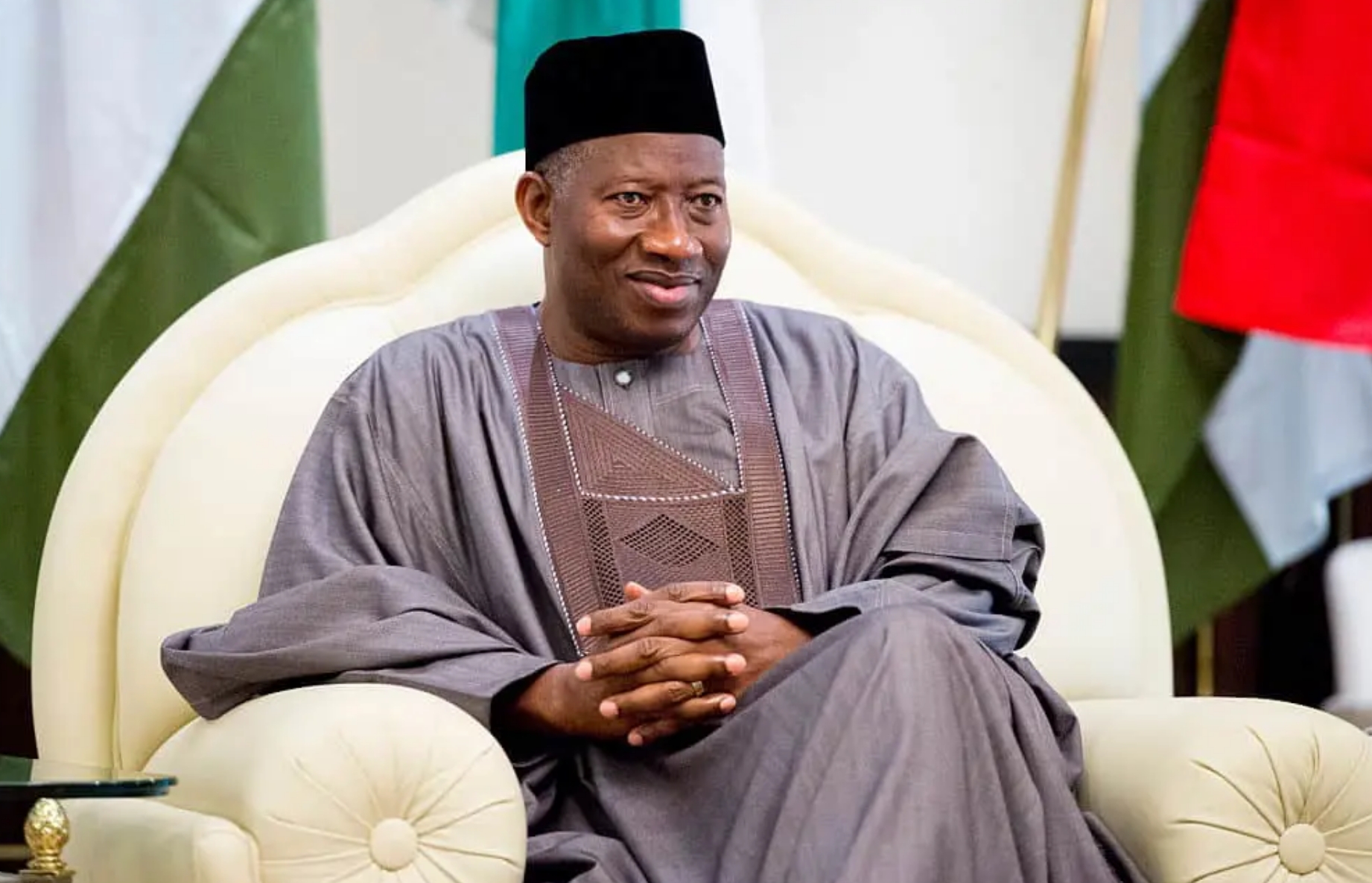
Former President Goodluck Jonathan has said that the recent political upheaval in Guinea Bissau caused him deeper pain than his historic 2015 electoral defeat to Muhammadu Buhari.
Jonathan made the revelation in a video interview obtained by Saturday PUNCH, recounting his harrowing experience during last week’s sudden military takeover in the West African nation, where he had travelled as part of the West African Elders Forum to observe elections.
According to the former president, the incident was particularly distressing due to his long-standing involvement in stabilising Guinea Bissau’s democracy. Jonathan had previously intervened in the country’s political crises as Nigeria’s leader, helping to restore constitutional order and midwife the 2013 elections.
He described the events surrounding the supposed coup as “strange” and unlike any similar occurrence in Africa. He questioned the credibility of President Umaro Sissoco Embaló’s claim of being “arrested,” noting that Embaló continued to speak freely with international media throughout the alleged ordeal.
“It is disturbing to me as somebody who believes in democracy. In fact, I feel more pain than the day I called Buhari to congratulate him when I lost the election as a sitting president,” Jonathan said.
He emphasised that reports from ECOWAS, AU and other observer missions indicated peaceful elections, making the timing and nature of Embaló’s announcement even more suspicious.
“What happened in Guinea Bissau, I would not call it a coup… For lack of a better word, I will call it a ceremonial coup because the president himself announced it,” he added.
Jonathan criticised the unfolding events and urged ECOWAS and the African Union to publish the full election results. He also called for the immediate release of opposition leader Fernando Dias, who remains in military custody.
Recounting his evacuation, Jonathan explained that he was airlifted by an aircraft deployed by Côte d’Ivoire after both Nigeria and the Ivorian government sought clearance to extract him and other observers. Côte d’Ivoire secured approval first due to proximity and diplomatic ties.
The former president returned to Nigeria on Thursday, saying the experience left him unsettled and deeply concerned about the future of democracy in Guinea Bissau and the region.