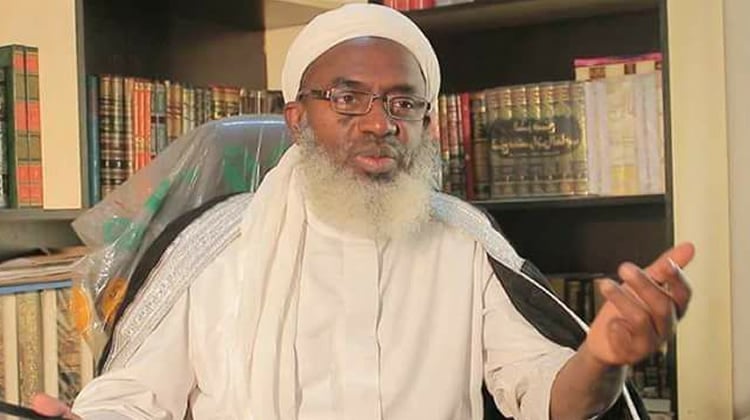
Islamic cleric Sheikh Ahmad Gumi has criticised the recent United States airstrikes on suspected terrorist camps in north-western Nigeria, warning that the operation could deepen national divisions and undermine the country’s sovereignty.
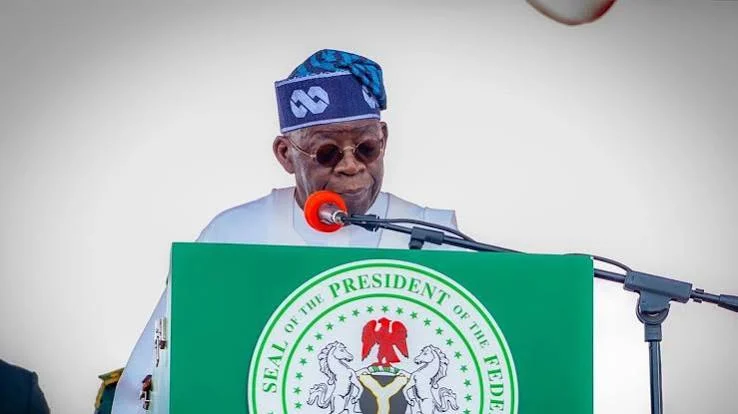
Gumi’s comments followed an announcement by US President Donald Trump that American forces carried out “numerous deadly strikes” against terrorist targets in the region. Trump said the strikes were directed at Islamic State-linked fighters allegedly targeting Christians.
Nigeria’s Federal Government has since confirmed ongoing intelligence and security cooperation with the United States, explaining that the partnership led to precision airstrikes conducted in line with international law and with due regard for Nigeria’s sovereignty. The Ministry of Foreign Affairs said the collaboration prioritised civilian protection and national unity.
Reacting in a Facebook post on Friday, Gumi said while the elimination of terrorists is a religious obligation in Islam, such actions should be carried out by credible and “clean hands,” not by foreign powers he accused of a history of civilian casualties in conflict zones.
The cleric urged the Federal Government to discontinue military cooperation with the United States and instead seek assistance from what he described as neutral countries, including China, Turkey and Pakistan. According to him, Nigeria has enough manpower to confront terrorism through sustained ground operations rather than airstrikes.
“As a principle, no nation should allow its land to become a theatre of war,” Gumi wrote, adding that foreign military involvement could attract external enemies and escalate violence within Nigeria.
He further argued that the justification of the strikes as an effort to protect Christians could polarise the country and inflame religious tensions. He warned that the issue could also become a major subject of political debate ahead of the 2027 general elections.
Gumi also questioned the choice of Sokoto State as a target, describing it as a predominantly Muslim area with no immediate terrorist threat. He characterised the operation as symbolic and accused foreign powers of selectively framing the conflict.
“The attack on Sokoto, where over 90 per cent of the population is Muslim, while the real threat remains elsewhere, raises serious concerns,” he said, describing the strikes as reflective of what he called a “neo-Crusade” against Islam.
He concluded by calling on communities affected by the airstrikes to document and share evidence of any civilian casualties, insisting that lasting solutions to terrorism require comprehensive ground engagement rather than sporadic bombardment.