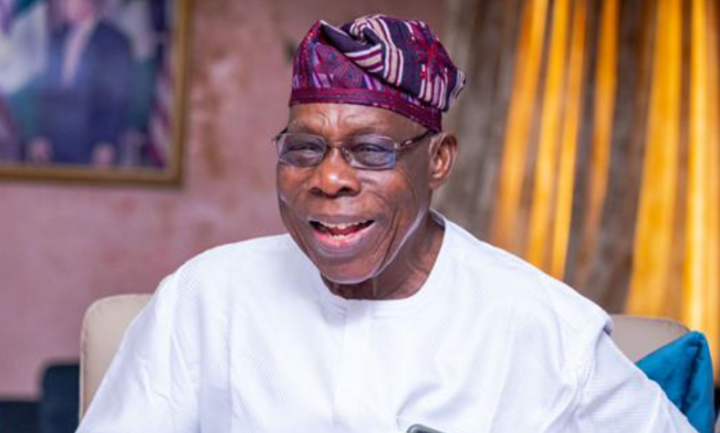
Moves toward a possible opposition realignment ahead of the 2027 general election have intensified, following indications that former President Olusegun Obasanjo is backing a proposed joint presidential ticket involving Peter Obi and Rabiu Kwankwaso under the African Democratic Congress (ADC).
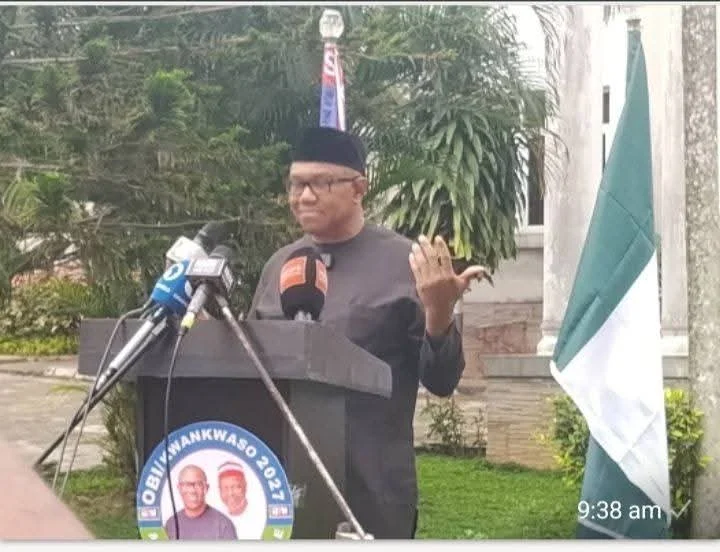
Investigations by Sunday PUNCH reveal that discussions between the 2023 Labour Party presidential candidate, Obi, and former Kano State governor, Kwankwaso, have progressed beyond informal talks, with both camps reportedly setting up a joint committee to work out the framework for the alliance.
A senior ADC official disclosed that Obasanjo played a key role in initiating the partnership, encouraging Obi to defect to the ADC and urging him to work closely with Kwankwaso to secure the party’s presidential and vice-presidential tickets.
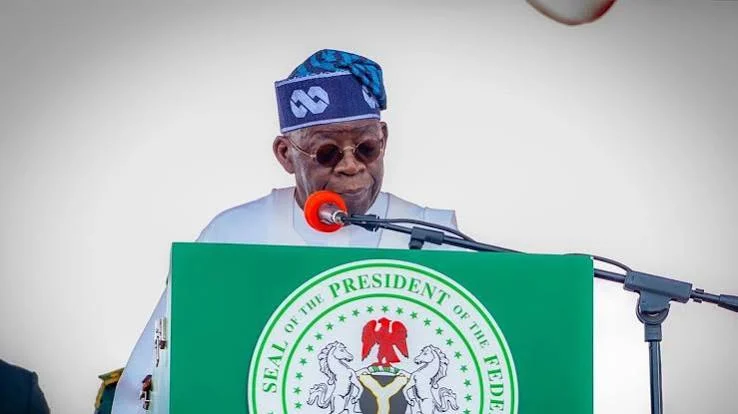
According to the source, the former president has also been reaching out to influential northern leaders to build support for the proposed alliance, which is seen as a potential challenge to President Bola Tinubu’s re-election bid in 2027.
Obasanjo had openly supported Obi during the 2023 election, describing him at the time as having an edge over other contenders in terms of character, discipline and preparedness for leadership. Kwankwaso, meanwhile, previously served as Minister of Defence during Obasanjo’s administration.
While Obi, Kwankwaso and former Minister of Transportation Rotimi Amaechi are reportedly eyeing the ADC platform, Kwankwaso has yet to formally join the party. However, leaders of the Kwankwasiyya Movement confirmed that talks were ongoing and that Obasanjo was instrumental in bringing both political figures together.
A source close to Obi said the alliance committee, set up about a month ago, had been mandated to mobilise support within the ADC and fine-tune strategies for securing a joint ticket. Confirming this, a leader of the Kwankwasiyya Movement and NNPP National Legal Adviser, Magaji Ibrahim, SAN, said Kwankwaso was open to serving either as presidential or vice-presidential candidate.
“There is an active committee made up of members from both sides. Discussions are ongoing, and the goal is to rescue the country,” Ibrahim said, adding that Kwankwaso would not consider any arrangement short of the vice-presidential slot.
The ADC, however, maintained that it was not officially aware of any alliance, though it described such engagements as normal political consultations. The party’s spokesperson, Bolaji Abdullahi, said Kwankwaso was welcome in the ADC, but noted that any talks between him and Obi were outside the party’s formal structure.
Reacting to the development, former Vice President Atiku Abubakar’s camp dismissed suggestions that the emerging alliance posed a threat to his political ambition. His spokesperson, Paul Ibe, said Atiku remained focused on his own political journey and welcomed broader participation in efforts to reposition Nigeria.
Supporters of Obi, under the Obidient Movement, expressed optimism about the proposed partnership, describing it as a potentially formidable force if properly managed. The group’s coordinator, Yinusa Tanko, said collaboration between Obi’s and Kwankwaso’s support bases could reshape the political landscape ahead of 2027.
Meanwhile, debates have emerged within the ADC over zoning, with Obi’s supporters pushing for the presidential ticket to be zoned to the South. Party leaders, however, warned that zoning could fracture the coalition and weaken its chances against the ruling All Progressives Congress.
As consultations continue, political observers say the evolving Obi–Kwankwaso talks signal early maneuvering that could redefine opposition politics ahead of the next general election.