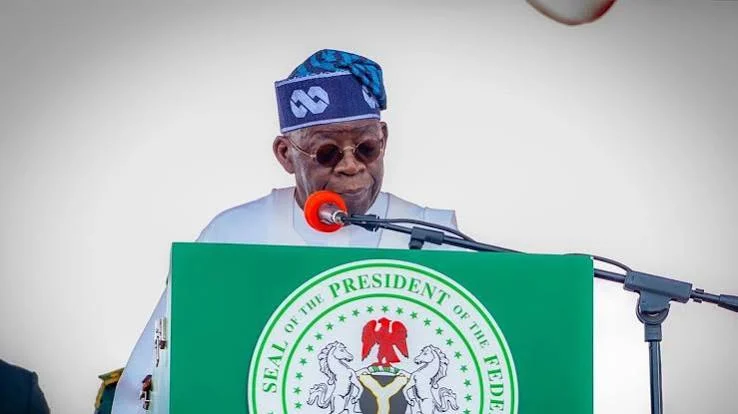
US President Donald Trump has issued a 48-hour ultimatum to Iran to reopen the strategic Strait of Hormuz to global shipping or face sweeping strikes on its energy infrastructure, as tensions in the Middle East escalate following a wave of Iranian missile attacks on Israel.
The warning, delivered Saturday via Truth Social, marks a sharp shift in tone just a day after Trump suggested the possibility of scaling back military operations following three weeks of sustained conflict. In his post, the US leader said Washington would “hit and obliterate” Iranian power facilities, beginning with the largest, if Tehran failed to comply before the Monday deadline.
Iranian Foreign Minister Abbas Araghchi responded by stating that restrictions in the Strait of Hormuz were targeted only at vessels from countries involved in military actions against Iran, adding that neutral nations would continue to receive assistance.
In a swift rebuttal to Washington’s threat, Iran’s military warned it would strike US-linked energy and desalination infrastructure across the region, according to state-affiliated media.
The escalating rhetoric followed one of the most devastating Iranian attacks on Israel since the conflict began. Two missiles struck southern Israel, injuring more than 100 people and causing widespread destruction in residential areas.
Emergency services reported that 84 people were injured in Arad, including 10 in serious condition, while 33 others were wounded in Dimona earlier in the day. The strikes damaged buildings, left large craters, and scattered debris across affected neighborhoods.
Dimona, widely believed to host Israel’s undeclared nuclear facility, was among the sites hit. Israeli authorities confirmed a direct missile strike on a building in the area, with casualties reported at multiple locations, including a child critically injured by shrapnel.
Israeli Prime Minister Benjamin Netanyahu described the developments as a “very difficult evening” and vowed a broad retaliation. Hours later, Israel announced a new wave of airstrikes targeting locations in Tehran.
Iran said the attack on Dimona was in retaliation for earlier Israeli strikes on its Natanz nuclear facility. The Islamic Revolutionary Guard Corps (IRGC) also claimed responsibility for attacks on other southern Israeli towns and alleged strikes on military sites in Kuwait and the United Arab Emirates.
The growing conflict has raised alarm over nuclear safety. UN nuclear watchdog chief Rafael Grossi called for restraint, warning of the risks of a potential nuclear incident amid ongoing strikes on sensitive facilities.
Despite weeks of US-Israeli bombardment, Iran has continued to demonstrate its ability to launch missile and drone attacks across the region. A UK official disclosed that Iran also attempted a long-range ballistic missile strike on a US-UK base in Diego Garcia, though the attempt was unsuccessful.
Meanwhile, the United Arab Emirates reported aerial threats after Iran warned against the use of regional territory for attacks near the Strait of Hormuz.
Iran’s effective closure of the vital waterway—through which roughly 20 percent of global oil supply passes—has sent shockwaves through global markets. Oil prices have surged, with Brent crude climbing above $105 per barrel, intensifying concerns about economic fallout.
In a joint statement, leaders from several countries including the United Kingdom, France, Germany, Italy, South Korea, Australia, the UAE, and Bahrain condemned Iran’s actions, describing the situation as a “de facto closure” of the strait and pledging support for efforts to restore safe navigation.
Trump also criticized NATO allies for what he described as a lack of resolve, urging them to take stronger action to secure the crucial maritime route.