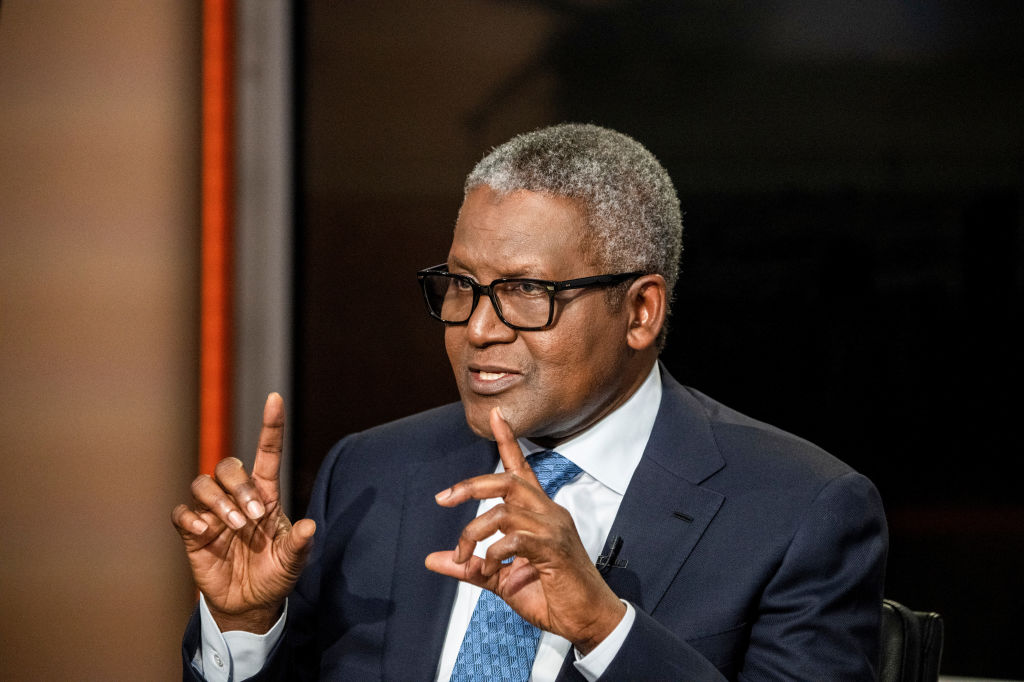
President of the Dangote Group, Aliko Dangote, has cautioned that escalating tensions in the Middle East could force Nigerians to adopt remote work arrangements similar to those seen during the COVID-19 pandemic.
Speaking on the potential economic fallout of the crisis, Dangote said rising energy costs may push governments and businesses to reduce physical work schedules or transition entirely to working from home.
He pointed to Indonesia as an example, where authorities have already reduced workdays to four per week and are considering full remote work if conditions worsen. According to him, Nigeria and other countries could be compelled to adopt similar measures if the situation does not improve.
Dangote warned that Africa would bear a disproportionate burden from a crisis it did not create, noting that the ripple effects would go beyond energy costs. He explained that opportunistic pricing and inflationary pressures could further strain economies, while governments may struggle to adjust wages in response.
He added that ordinary citizens and small business owners would be the hardest hit, particularly those dependent on fuel-powered generators, such as barbers, bakers, and small-scale manufacturers.
The billionaire urged urgent global intervention and called for collective efforts to bring an end to the conflict, stressing that prolonged instability would deepen economic hardship across the continent.
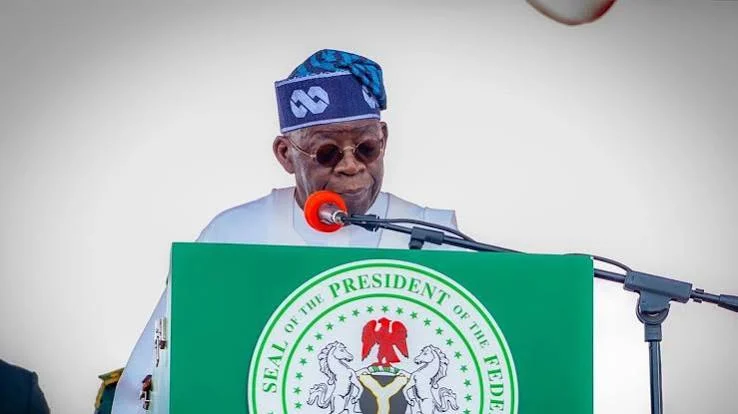
On a more positive note, Dangote expressed optimism about the recent state visit of President Bola Tinubu to the United Kingdom, saying it could unlock new investment opportunities for Nigeria.
He highlighted the £746 million infrastructure agreement secured during the visit, describing it as a strong signal of international confidence in Nigeria’s economy. Dangote noted that the deal, supported by UK Export Finance, focuses on critical sectors such as port development.
According to him, the agreement could encourage other countries, including Germany, to increase investment in Nigeria, while also opening doors for Nigerian private sector players to access international financing.
The Middle East crisis continues to fuel global concerns over oil price volatility, with potential consequences for inflation, transportation, and energy-dependent industries. Despite being an oil-producing nation, Nigeria remains exposed to these shocks due to its reliance on imported refined petroleum products.