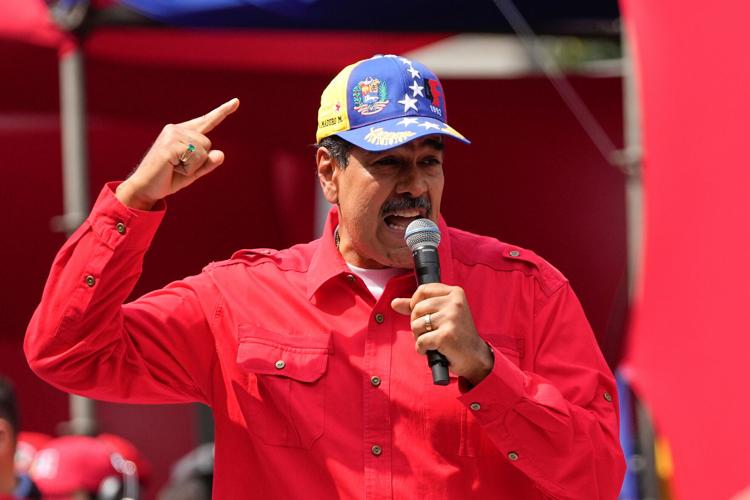
Ousted Venezuelan leader Nicolás Maduro is set to appear before a federal judge in New York on Thursday, marking his second court appearance since his dramatic capture by U.S. forces earlier this year.
Maduro, 63, and his wife, Cilia Flores, have been held in a Brooklyn detention facility since January, when U.S. commandos carried out a controversial nighttime raid in Caracas that removed him from power. The operation, which reportedly left dozens dead and many injured, sparked global debate over its legality and consequences.
The former president faces multiple felony charges, including narco-terrorism conspiracy, cocaine importation, and weapons-related offenses. He has pleaded not guilty and continues to describe himself as a “prisoner of war,” insisting he remains Venezuela’s legitimate leader.
Thursday’s hearing is expected to focus heavily on a growing legal dispute over how Maduro’s defense will be funded. His lawyer, Barry Pollack, argues that U.S. sanctions have blocked Venezuela’s government from paying his legal fees, effectively denying him the right to counsel of his choice.
Pollack has urged the court to dismiss the case on constitutional grounds, claiming the restrictions violate Maduro’s rights. Prosecutors, however, maintain that since Washington has not recognized Maduro as Venezuela’s legitimate president for years, he is not entitled to state-funded legal support and should instead rely on public defenders.
The high-profile case is being overseen by U.S. District Judge Alvin Hellerstein, with heightened security expected around the courthouse as proceedings resume.
Meanwhile, political shifts continue in Venezuela following Maduro’s removal. Former vice president Delcy Rodríguez has assumed leadership and introduced reforms under mounting U.S. pressure, including policy changes in the country’s critical oil sector.
Legal analysts say the case could stretch on for years, given its complexity and the broader geopolitical implications surrounding Maduro’s arrest and prosecution.