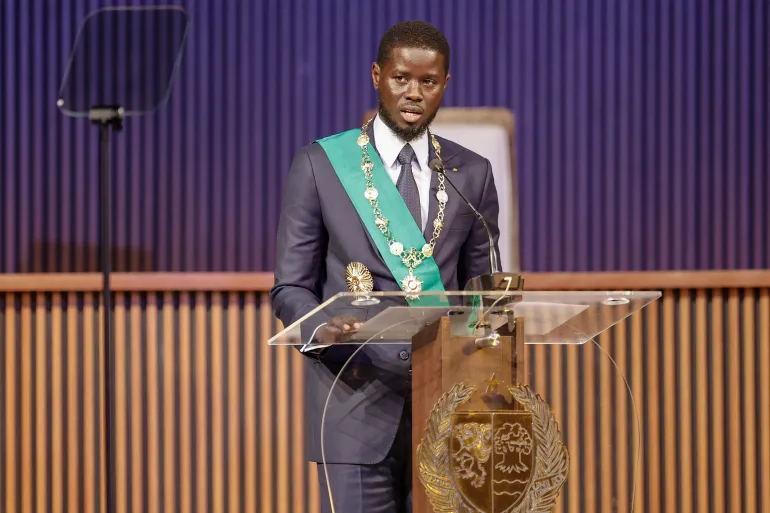
Senegal has introduced stricter legal penalties targeting same-sex relations after President Bassirou Diomaye Faye approved a new law increasing prison sentences to a maximum of 10 years.
The legislation, signed on Monday and published in the official journal a day later, passed with overwhelming support in the National Assembly. It expands existing laws by imposing harsher punishments not only for same-sex relations but also for individuals accused of promoting or financially supporting such relationships.
Under the revised law, what authorities describe as “acts against nature”—a term used to criminalize same-sex relations—now carry prison sentences ranging from five to 10 years, up from the previous one to five years. Those found guilty of promoting or supporting same-sex relationships face between three and seven years in prison, along with significantly increased fines ranging from two million to 10 million CFA francs.
The legislation also introduces penalties for false accusations, targeting individuals who wrongly accuse others of same-sex conduct without evidence. Authorities indicated that the maximum sentences would likely apply in cases involving minors.
The move has sparked concern internationally. The United Nations High Commissioner for Human Rights, Volker Türk, described the law as “deeply worrying,” cautioning that it conflicts with established human rights standards.
Reports suggest enforcement of anti-LGBTQ laws has intensified in recent months, with dozens of arrests recorded since February. Among those detained were at least 12 individuals, including public figures, in what observers describe as part of a broader crackdown. Some arrests have reportedly involved phone searches and public disclosure of identities.
The law reflects mounting domestic pressure around LGBTQ issues in Senegal, where advocacy for gay rights is often criticized as foreign influence. Religious organizations in the predominantly Muslim country have staged protests demanding stricter enforcement and tougher penalties.
Prime Minister Ousmane Sonko, who had previously advocated for stronger legal measures against same-sex relations, introduced the bill to parliament. Despite the increased penalties, the offense remains classified as a misdemeanour under Senegalese law.
The development highlights a significant tightening of legal restrictions in Senegal, underscoring growing tensions between domestic policy direction and international human rights concerns.