The United Kingdom is spearheading a major diplomatic effort involving 35 nations to address the ongoing closure of the Strait of Hormuz, a critical global energy corridor disrupted by escalating tensions involving Iran.
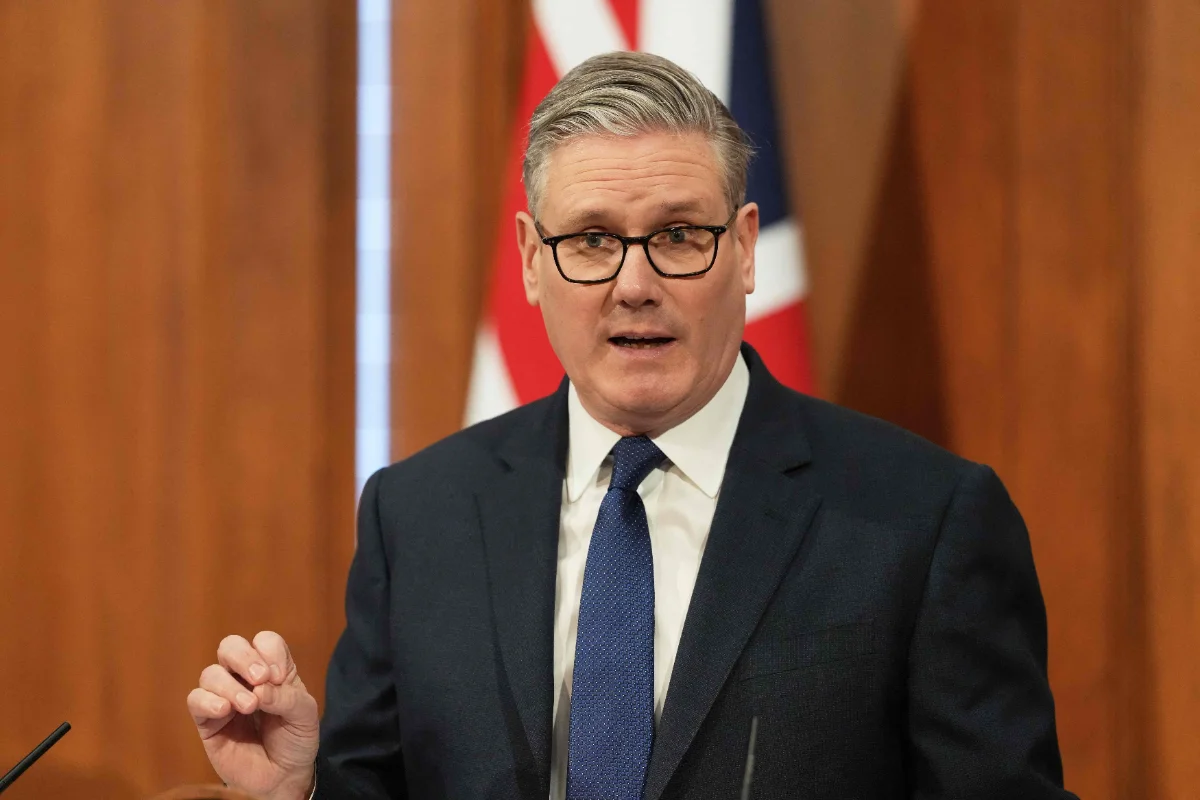
Prime Minister Keir Starmer confirmed that Foreign Secretary Yvette Cooper will host a virtual summit on Thursday, bringing together key global powers to chart a path toward reopening the strategic waterway once hostilities ease.
According to Starmer, the meeting will focus on identifying “all viable diplomatic and political measures” to restore freedom of navigation, ensure the safety of vessels and crews stranded in the region, and resume the flow of essential commodities.
He added that military planners would also be engaged after the talks to evaluate how international capabilities could be coordinated to secure the strait once active conflict subsides.
The Strait of Hormuz—through which roughly 20% of the world’s oil and liquefied natural gas passes—has been effectively shut due to attacks tied to the broader conflict involving the United States, Israel, and Iran. The disruption has sent global energy prices higher and intensified concerns over supply shortages.
Countries expected to participate in the discussions include France, Germany, Italy, Japan, and the Netherlands, alongside other nations committed to safeguarding maritime routes and stabilizing global energy flows.
Starmer cautioned that reopening the strait would be complex, acknowledging the scale of diplomatic and security challenges ahead.
Meanwhile, former U.S. President Donald Trump has criticized European allies, accusing them of not taking decisive action to reopen the passage or provide sufficient support to Washington. In a strongly worded statement, Trump urged affected nations to take independent action, suggesting they secure access to energy supplies without relying on U.S. intervention.