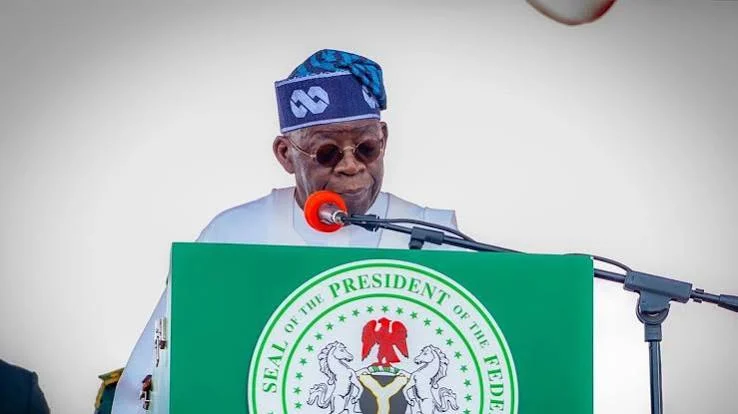
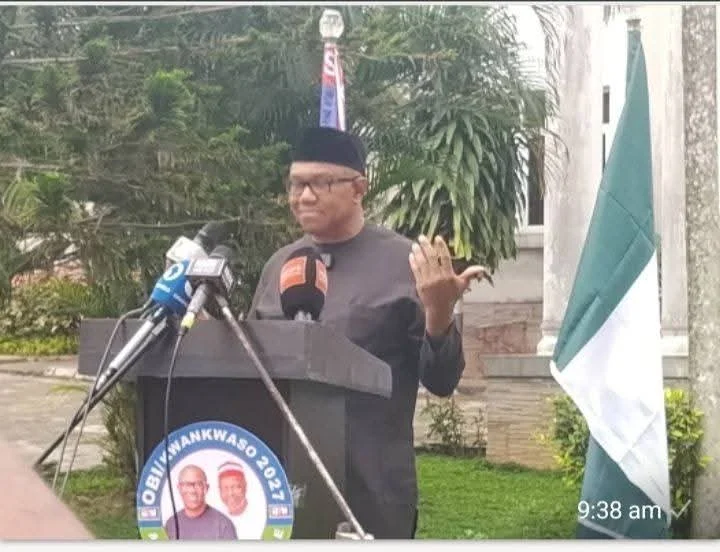
The Federal Government has proposed a sum of N135.22 billion in the 2026 budget to cater for election-related disputes and post-election responsibilities, underscoring the financial implications that typically accompany Nigeria’s electoral cycle.
The allocation, listed as “Electoral Adjudication and Post Election Provision,” was captured in the House of Representatives Order Paper dated March 31, 2026, which detailed the report on the 2026 Appropriation Bill.
According to budget documents, the fund is housed under the Service-Wide Votes, a centrally managed pool designed to cover expenditures that are not tied to any particular ministry, department, or agency. This category is commonly used for national obligations, unforeseen expenses, and liabilities that span multiple government institutions.
The inclusion of the N135.22 billion provision signals expectations of substantial financial commitments related to election petitions, legal settlements, and administrative processes following elections.
Further analysis shows the allocation is part of the Consolidated Revenue Fund charges, reinforcing its classification as a central obligation. Out of the total N3.70 trillion earmarked under CRF charges, the electoral adjudication fund represents about 3.65 percent.
The proposed funding comes in addition to a N1.01 trillion statutory transfer to the Independent National Electoral Commission (INEC), making it the largest recipient within the statutory allocation framework, which totals N4.80 trillion.
Statutory transfers are constitutionally guaranteed allocations released directly from the Consolidated Revenue Fund to key government institutions such as INEC, the National Assembly, and the National Judicial Council. These funds are not subject to executive control, ensuring institutional independence in carrying out core democratic functions.
Earlier disclosures showed that INEC requested N873.78 billion to conduct the 2027 general elections, alongside N171 billion for its operational costs in 2026. This represents a significant increase compared to the N313.4 billion spent on the 2023 elections.
The introduction of the N135.22 billion line item for post-election matters reflects the government’s effort to anticipate and manage the financial demands associated with electoral litigation and related obligations.