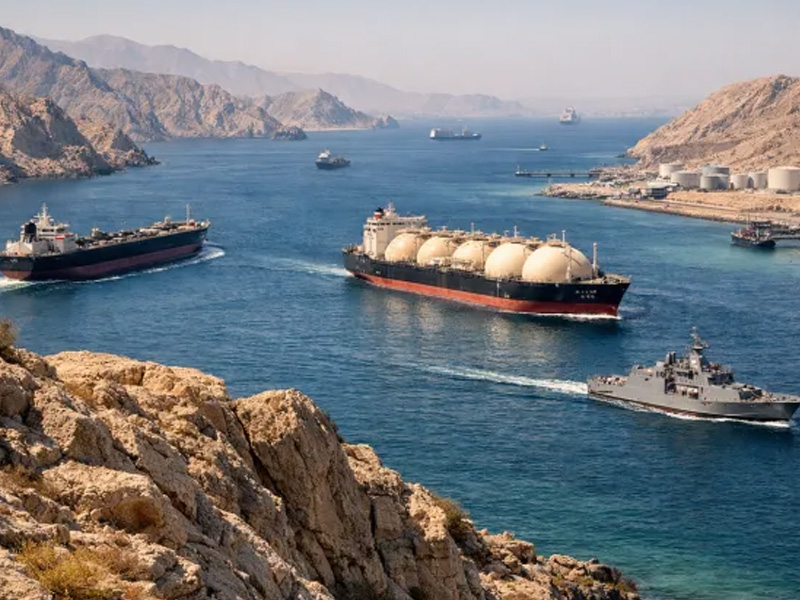
Iran has put forward a proposal that could ease rising maritime tensions in the Strait of Hormuz, suggesting a safe transit route for vessels through waters controlled by Oman as diplomatic engagements with the United States continue.
Sources familiar with discussions in Iran said the plan would allow ships to move along the Omani side of the narrow passage without interference, on the condition that a broader agreement is reached to prevent renewed conflict involving Washington and Israel.
The proposal is being viewed as a potential step toward de-escalation after weeks of disruption to global energy flows. The Strait of Hormuz, which links the Gulf to the Indian Ocean, carries about 20 percent of the world’s oil and liquefied natural gas shipments, making it one of the most critical routes for global trade.
Since hostilities began on February 28, traffic through the corridor has been severely curtailed, leaving hundreds of vessels stranded and an estimated 20,000 seafarers unable to proceed. Although a temporary ceasefire took effect on April 8, access to the waterway remains a key sticking point in ongoing negotiations.
While Tehran’s proposal suggests limited safe passage, questions persist over whether mines in the area would be cleared and whether all vessels—including those with links to Israel—would be granted unrestricted access.
Officials indicate the offer is tied to broader demands from Tehran, which are considered essential to any lasting agreement. There has been no immediate response from either the White House or Iran’s Foreign Ministry.
Security experts note that rerouting ships through safer Omani channels has been under quiet consideration, though it remains unclear whether Washington has formally responded to the idea.
The plan, if implemented, would represent a shift from earlier, more assertive measures previously floated by Iran, such as imposing transit fees or asserting unilateral control over the waterway—proposals that drew criticism from the international community.
Member states of the International Maritime Organization, meeting in London, recently rejected the idea of tolls, warning it could undermine established maritime norms.
Meanwhile, tensions in the region remain elevated following recent restrictions by the United States on oil tankers departing Iranian ports, contributing to a continued slowdown in shipping activity since late February.