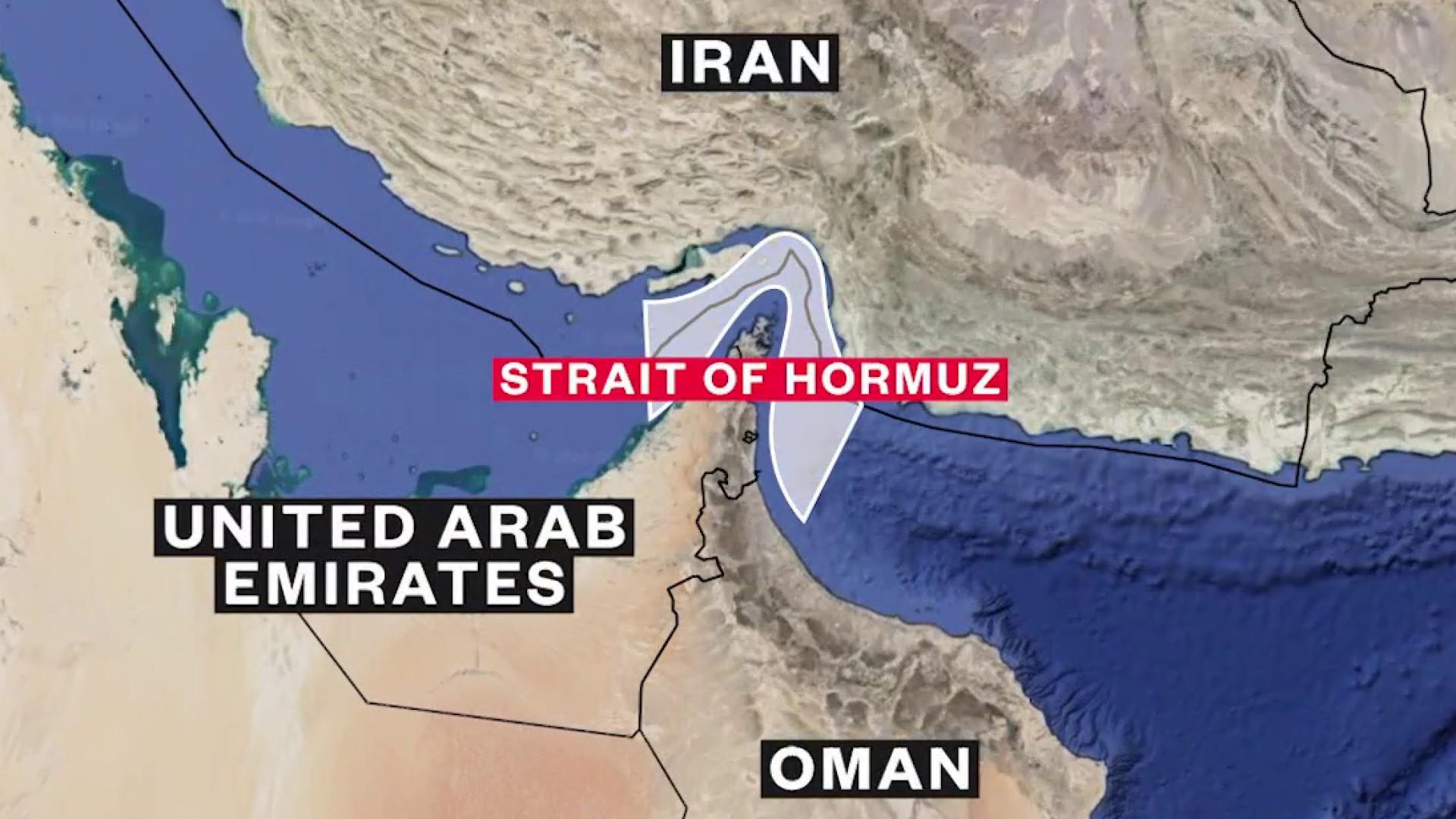
At least eight oil and gas tankers transited the Strait of Hormuz on Saturday after Iran temporarily reopened the critical shipping lane during a fragile ceasefire in the ongoing Middle East conflict.
Maritime tracking data from Kpler showed that the vessels included a crude oil tanker, four liquefied petroleum gas carriers, two oil and chemical tankers, and one oil products vessel. Their passage followed an Iranian announcement on Friday signaling a short-lived easing of restrictions.
The strait, which handles roughly a fifth of global oil and liquefied natural gas shipments during peacetime, had seen traffic grind to a halt after hostilities escalated on February 28 with U.S. and Israeli strikes on Iran.
Data from MarineTraffic indicated that several other tankers approached the waterway but turned back near Larak Island, a key checkpoint under Iranian control, amid uncertainty over safe passage.
However, the reopening appeared short-lived. Iran’s central military command later signaled a return to tighter control of the strait, citing opposition to a reported U.S. naval counter-blockade.
The closure has left hundreds of vessels stranded in the Gulf, pushing up global oil prices and increasing shipping costs, as operators remain wary of potential attacks or naval mines.
Among the ships that managed to pass through on Saturday were vessels reportedly under U.S. sanctions, while others signaled destinations linked to India and China, possibly to project neutrality.
Shipping data also showed limited cargo movement, including container vessels associated with major French shipping company CMA CGM.
In a rare development, the cruise ship Celestyal Discovery became the first passenger vessel to cross the strait since the conflict began, sailing along Oman’s coast after weeks docked in the United Arab Emirates. Reports indicated it was operating without passengers.
Despite the brief reopening, industry experts remain cautious. Jakob Larsen of the BIMCO warned that uncertainties around maritime security risks, including possible mine threats, persist.
Shipping companies, he said, should continue to exercise caution and consider avoiding the area altogether as tensions remain high.