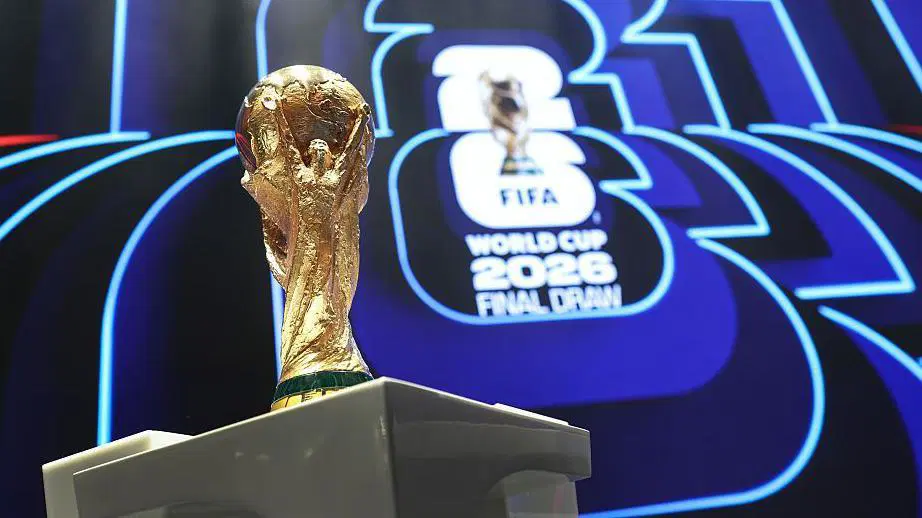
Global football body FIFA has significantly increased financial rewards for teams participating in the 2026 World Cup while unveiling stricter disciplinary measures, including new red card rules aimed at curbing misconduct and racism.
In a statement released Tuesday following a council meeting ahead of its Congress in Vancouver, FIFA confirmed that total distributions to the 48 participating teams will rise to $871 million—an increase from the previously announced $727 million.
The decision comes amid growing concerns from member associations about escalating costs tied to travel, taxation, and tournament logistics. To address these issues, FIFA has boosted preparation funding for each team from $1.5 million to $2.5 million. Additionally, the participation fee for qualifying teams has been increased from $9 million to $10 million.
Further financial support will include enhanced contributions toward team delegation expenses and expanded ticket allocations.
FIFA President Gianni Infantino said the organization’s strong financial standing allows it to reinvest more into the sport globally. The governing body expects to generate approximately $13 billion during the current World Cup cycle, which culminates in the 2026 tournament—the largest in history.
The financial boost builds on already record-breaking prize money levels, surpassing payouts from the 2022 edition by a significant margin.
Alongside the funding increase, FIFA also confirmed new rule changes set to be implemented at the tournament, which kicks off on June 11 in Mexico City.
Under the revised regulations, players who cover their mouths during heated confrontations may face a red card, a move designed to combat racism and improve transparency during disputes. The rule follows recent controversies, including allegations involving Gianluca Prestianni and Vinicius Junior during a European club match.
Another key change will see players sent off for leaving the pitch in protest of refereeing decisions. Teams that abandon matches entirely will now forfeit the game.
The move comes after a high-profile incident at the Africa Cup of Nations final, where Senegal’s team walked off the field following a controversial penalty decision involving Brahim Diaz.
In a separate adjustment, FIFA announced that yellow cards received during the group stage will be cleared after the first knockout round, and again after the quarter-finals. The change is intended to prevent key players from missing crucial matches due to accumulated bookings.
The combined financial and regulatory changes highlight FIFA’s effort to balance the growing commercial scale of the World Cup with improved fairness and discipline on the field.