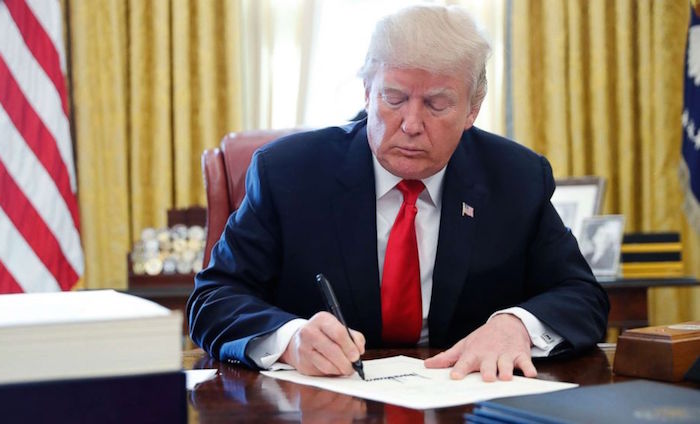
U.S. President Donald Trump has signed a funding bill for key agencies under the Department of Homeland Security, bringing an end to a partial government shutdown that stretched nearly 11 weeks.
The legislation provides funding for several critical agencies, including the U.S. Secret Service and the Transportation Security Administration, but notably excludes immigration enforcement bodies such as Immigration and Customs Enforcement (ICE) and U.S. Border Patrol.
The breakthrough came after the United States House of Representatives unanimously passed a Senate-backed measure, overcoming weeks of resistance from conservative lawmakers. The vote followed warnings from officials about imminent funding lapses that could disrupt airport operations and pose national security risks.
Under the agreement, agencies not directly tied to immigration enforcement—such as FEMA, the U.S. Coast Guard, and the Cybersecurity and Infrastructure Security Agency—will receive funding through September 30, marking the end of the 2026 fiscal year.
The deal is seen as a political win for both Trump and Senate Majority Leader John Thune, who had pushed for swift passage of the bill without amendments.
Tensions over the broader DHS budget intensified in recent weeks, particularly after a shooting incident at the White House Correspondents’ Association dinner in Washington, where authorities said a suspect attempted to assassinate the president. Concerns also grew over the ability of affected agencies to meet payroll obligations without immediate funding.
Some Republican lawmakers had opposed the bill due to its omission of funding for ICE and Border Patrol. However, House Speaker Mike Johnson indicated that leadership had addressed those concerns by advancing a separate $70 billion budget proposal aimed at supporting immigration enforcement agencies.
Lawmakers are expected to pursue that funding through a separate legislative process that would allow Republicans to bypass Democratic opposition in the Senate.
The shutdown began on February 14 following a breakdown in negotiations between Republicans and Democrats over immigration enforcement policies. Democrats had pushed for stricter oversight measures, including requiring judicial warrants for certain enforcement actions, but talks ultimately failed to yield a compromise.