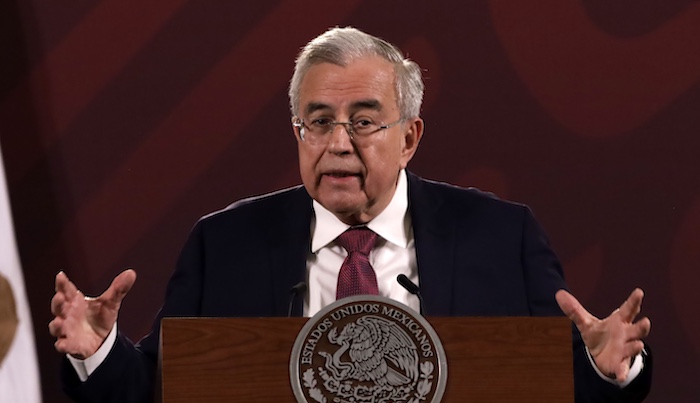
The governor of Mexico’s Sinaloa state, Rubén Rocha Moya, has temporarily stepped down from office following allegations by the United States linking him to cartel activity, a move that has intensified scrutiny on corruption and sovereignty issues between the two countries.
Rocha announced he would take a leave of absence as a local investigation gets underway, maintaining his innocence in the face of mounting pressure. “I can look at my people and my family in the eye because I have not betrayed them and I will never betray them,” he said.
The accusations stem from a U.S. indictment that names Rocha and several current and former officials, alleging ties to the Sinaloa Cartel and involvement in drug trafficking operations targeting the United States.
Rocha, a member of the ruling Morena party, rejected the claims, describing them as politically motivated attacks against his movement. Mexico’s president, Claudia Sheinbaum, said her administration would carefully review any extradition requests connected to the case, emphasizing that firm evidence would be required before further action is taken.
The unfolding situation has renewed focus on the delicate balance between cooperation and sovereignty in U.S.-Mexico relations, particularly regarding efforts to combat organized crime. While Washington has called for stronger measures, Mexican authorities continue to push back against what they view as external interference.
In the meantime, Sinaloa’s state congress has appointed Yeraldine Bonilla as interim governor to lead the state during Rocha’s absence.