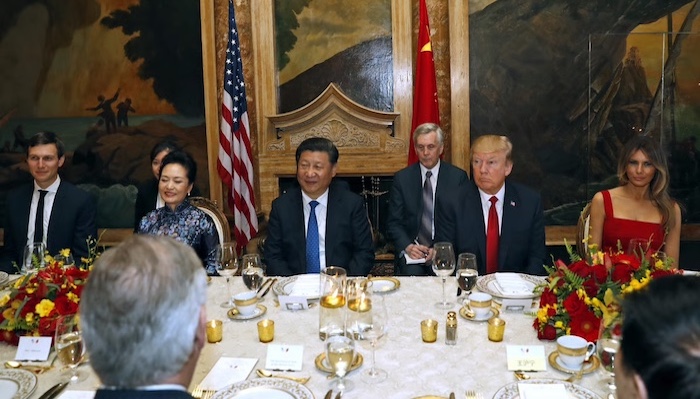
Traditional Huaiyang cuisine is expected to play a central role at Thursday’s state banquet in Beijing as Donald Trump meets Chinese President Xi Jinping during high-level diplomatic talks.
Chinese officials are once again turning to one of the country’s most celebrated culinary traditions to showcase culture, hospitality and diplomacy on the global stage.
Originating from the Yangtze River Delta region near Shanghai, Huaiyang cuisine is renowned for its light flavours, precise knife skills and focus on fresh seasonal ingredients. The cuisine has long been favoured for official state banquets because of its refined presentation and broad international appeal.
Shi Qiang, executive chef at Gui Hua Lou, a luxury Huaiyang restaurant in Shanghai, said the cuisine is especially suitable for diplomatic gatherings due to its balanced taste and modest approach to luxury.
According to him, Huaiyang dishes are designed to emphasise natural flavours rather than expensive ingredients or extravagance, making them appealing to guests from different cultural backgrounds.
Food has historically carried strong political and cultural significance in China, where cuisine has often symbolised prestige, diplomacy and national identity. Over the years, Huaiyang cuisine has featured prominently at several major political events, including the 1949 founding banquet of the People’s Republic of China and official receptions for foreign leaders.
The cuisine also appeared during a 2002 state banquet hosted by former Chinese President Jiang Zemin for former U.S. President George W. Bush.
Among the dishes commonly associated with Huaiyang cuisine are Yangzhou fried rice, sweet-and-sour squirrel fish, lion’s head pork meatballs and wensi tofu — a delicately sliced tofu dish known for its intricate preparation.
Food writer Christopher St. Cavish described the cuisine as ideal for state banquets because of its mild and approachable profile compared with spicier or heavier regional Chinese cuisines.
Diplomatic food moments have also generated public attention in recent years. Former U.S. Treasury Secretary Janet Yellen drew online reactions in 2023 after referencing “magic mushrooms” she ate at a restaurant in Beijing, while former U.S. Vice President Joe Biden famously visited a modest Beijing eatery during a 2011 trip to China.
During Trump’s previous visit to China in 2017, Chinese hosts reportedly served Huaiyang-inspired dishes including braised vegetables and stewed beef with tomato, choices viewed as tailored to the American leader’s culinary preferences.