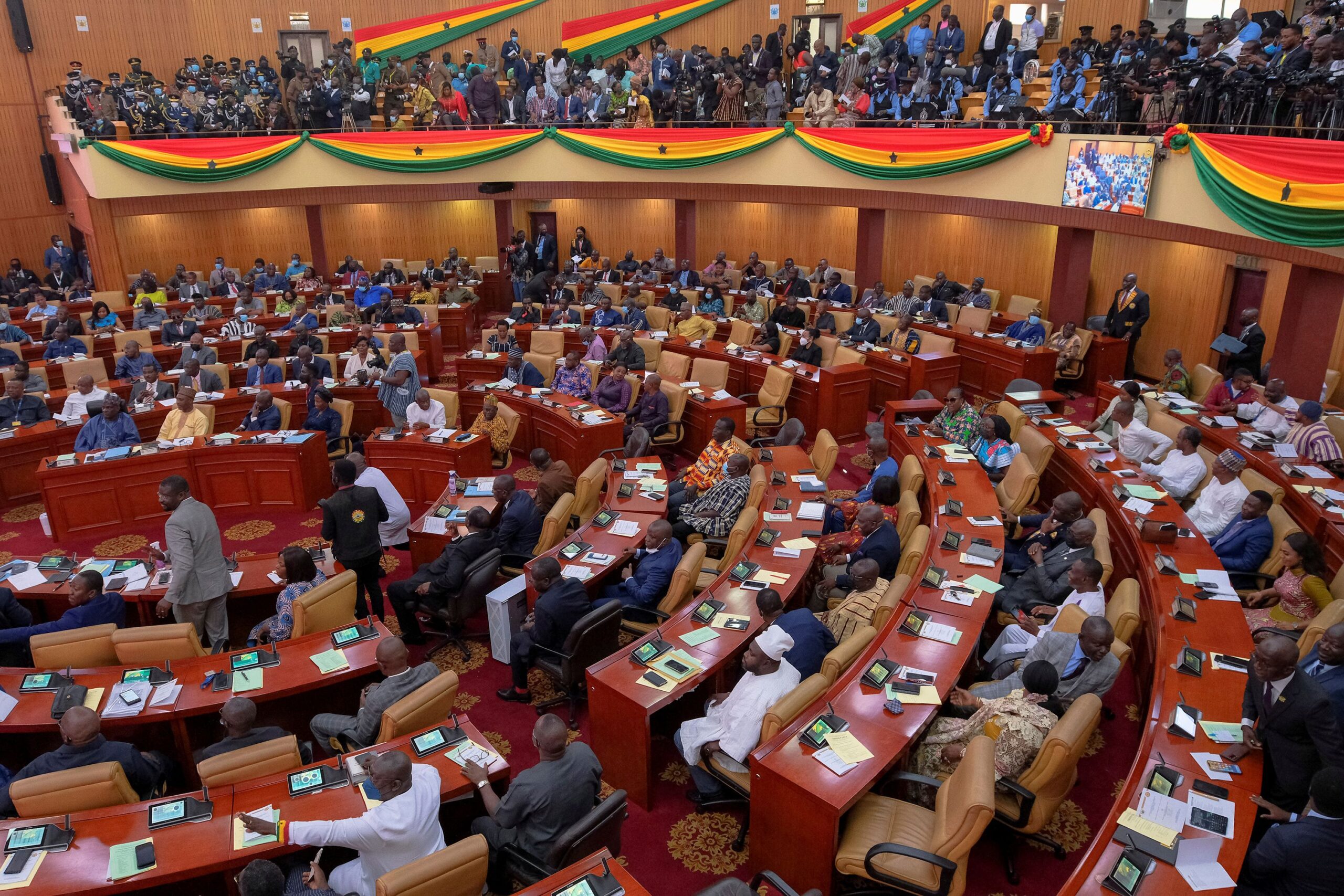
Ghana’s Parliament has approved a controversial piece of legislation that seeks to impose stricter penalties on LGBTQ+ individuals and those accused of promoting LGBTQ+ activities, moving the bill a step closer to becoming law.
The legislation, which now awaits the approval of President John Dramani Mahama, proposes prison sentences of up to three years for individuals who identify as lesbian, gay, bisexual, transgender, or queer. It also requires citizens to report activities deemed to violate the law to security authorities.
Supporters of the bill argue that it is necessary to preserve Ghanaian cultural traditions and family values. However, human rights advocates have strongly criticised the measure, describing it as discriminatory and a threat to the rights and safety of sexual minorities.
Speaking during parliamentary deliberations, the bill’s sponsor, John Ntim Fordjour, said the legislation was intended to strengthen existing laws prohibiting same-sex relations.
According to him, the proposed law would make current regulations “more robust, more encompassing, and more stringent” in addressing LGBTQ+ practices.
Beyond criminalising same-sex relationships, the legislation also provides penalties for individuals and groups accused of supporting or promoting LGBTQ+ causes. However, exemptions are included for professionals such as journalists, lawyers, and healthcare workers who engage with LGBTQ+ issues as part of their official duties.
International rights organisations have expressed concern over the bill. Human Rights Watch warned that its provisions could increase discrimination and expose LGBTQ+ individuals to harassment by encouraging citizens to report suspected violations.
Same-sex relationships are already prohibited in Ghana under laws dating back to the colonial era. A similar bill was passed by Parliament in 2024 but failed to take effect after former President Nana Akufo-Addo withheld his assent amid ongoing legal challenges.
President Mahama has previously voiced support for legislation restricting LGBTQ+ rights, maintaining that marriage should be between a man and a woman and that only two genders exist.
If signed into law, the measure would place Ghana among a growing number of African nations that have recently enacted stricter legislation targeting LGBTQ+ rights and activities.