The United States and Iran have exchanged new military strikes despite an ongoing ceasefire, underscoring the fragility of efforts to end a three-month conflict that has heightened tensions across the Middle East and disrupted global energy markets.
The US military announced that it conducted airstrikes against Iranian military assets along the Gulf coast over the weekend, describing the action as a response to hostile activities, including the reported downing of an American MQ-1 surveillance drone.
In a statement posted on social media, the U.S. Central Command (CENTCOM) said American fighter jets targeted Iranian air defence systems, a ground control facility, and two attack drones that it claimed posed threats to commercial and military vessels operating in regional waters.
CENTCOM stated that the operation was intended to safeguard US personnel and interests and emphasized that American forces would remain vigilant throughout the ceasefire period.
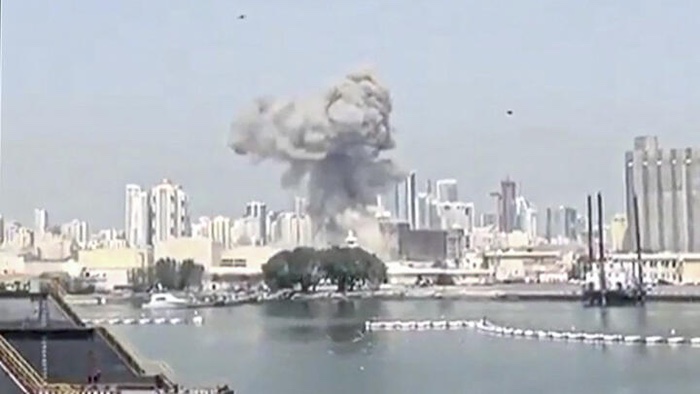
Iran, however, responded with its own military action. The Islamic Revolutionary Guard Corps (IRGC) announced on Monday that it had launched a strike against an air base used by the United States in operations targeting southern Iran. Iranian officials did not disclose the exact location of the facility.
Meanwhile, Kuwait reported intercepting missiles and drones after air raid sirens sounded in parts of the country. State news agency KUNA confirmed the interceptions but provided no further details regarding the origin or intended targets of the projectiles.
The latest confrontation mirrors several similar incidents that have occurred since the ceasefire took effect in early April, with both Washington and Tehran accusing each other of violating the spirit of the truce.
The conflict, which began on February 28 with military operations involving the United States and Israel, has resulted in thousands of deaths, primarily in Iran and Lebanon. It has also rattled global energy markets, with disruptions around the Strait of Hormuz contributing to rising oil and fuel prices worldwide.
US President Donald Trump has maintained that the campaign is aimed at preventing Iran from acquiring nuclear weapons capabilities through its enriched uranium program. Iranian authorities continue to reject those allegations, insisting their nuclear activities are for peaceful purposes.
As negotiations continue, major disagreements remain unresolved. Iran is seeking broad sanctions relief and access to billions of dollars in frozen oil revenues, while Washington continues to push for stricter limits on Tehran’s nuclear activities.
Regional tensions have also intensified due to ongoing fighting between Israel and the Iran-backed Hezbollah movement in Lebanon. Israeli Prime Minister Benjamin Netanyahu said he had ordered military forces to expand operations in Lebanese territory as clashes persist.
In a parallel diplomatic effort, US Secretary of State Marco Rubio held separate talks with Lebanese President Joseph Aoun and Netanyahu to explore options for reducing hostilities. According to a US official, Rubio presented a proposal designed to support a gradual de-escalation of tensions between Israel and Lebanon.
Diplomats remain engaged in efforts to prevent the conflict from expanding further, but the latest military exchanges highlight the challenges facing negotiators seeking a lasting settlement.