The United States has announced plans to gradually withdraw funding for HIV and AIDS programmes in South Africa, a move expected to place added pressure on the country’s healthcare system as relations between Washington and Pretoria continue to deteriorate.
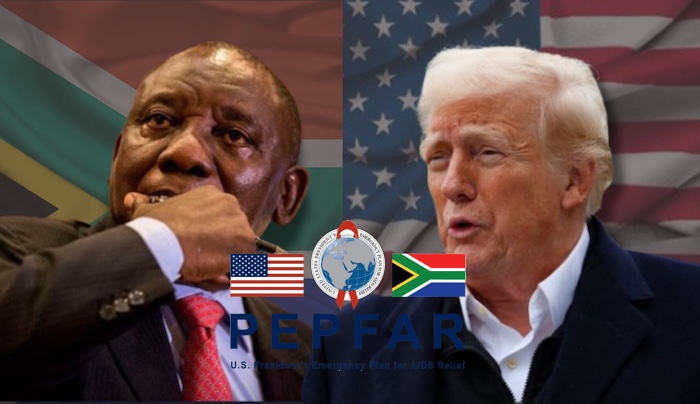
South Africa, home to more than eight million people living with HIV, has long relied on support from the U.S. President’s Emergency Plan for AIDS Relief (PEPFAR), which has contributed approximately $400 million annually to the country’s HIV response efforts.
A U.S. State Department official confirmed that a phased reduction of PEPFAR funding would begin, citing South Africa’s inability to meet certain policy expectations outlined by the current administration. According to the official, the decision is intended to encourage greater financial independence in healthcare funding.
“South Africa is a middle-income country and has the capacity to sustain its own health programmes,” the official said.
The funding withdrawal comes amid increasing tensions between the two nations since President Donald Trump returned to the White House. Relations have been strained by disagreements over South Africa’s domestic policies, foreign relations, and legal actions on the international stage.
Earlier this year, Trump signed an executive order criticizing several South African policies, including affirmative economic measures designed to address inequalities inherited from apartheid. The administration also pointed to Pretoria’s genocide case against Israel at the International Court of Justice and its diplomatic engagement with Iran as concerns influencing U.S. policy.
The South African government has rejected Washington’s criticism, maintaining that its policies are aimed at correcting historical injustices and promoting economic inclusion.
The White House has additionally cited what it described as unfair treatment of white landowners in South Africa, claims that have been disputed by South African authorities and many international observers.
PEPFAR funding currently accounts for roughly 20 percent of South Africa’s HIV programme budget. While the support had previously been extended under a temporary bridge arrangement, the new decision signals a more permanent shift in U.S. assistance policy.
In response, South Africa’s Health Ministry said it had not yet received formal notification of the funding withdrawal but emphasized that preparations for greater self-sufficiency have been underway for some time.
Officials also reassured citizens that the supply of antiretroviral medications remains secure, noting that most treatment programmes are financed directly by the South African government rather than through PEPFAR.
Efforts to improve diplomatic ties between the two countries have faced challenges in recent years. A widely publicized meeting between President Trump and South African President Cyril Ramaphosa failed to ease tensions, while Washington’s boycott of the G20 summit hosted by South Africa further highlighted the growing divide.
Health experts warn that the withdrawal of U.S. funding could affect prevention, testing, and community support programmes, even as South African authorities insist they are prepared to maintain critical HIV treatment services without American assistance.
The phased withdrawal is expected to unfold over the coming months as both governments navigate an increasingly complex diplomatic relationship.