The Nigerian Catholic Diocesan Priests Association (NCDPA) in
Kaduna State recently expressed their
concerns in an open letter addressed to
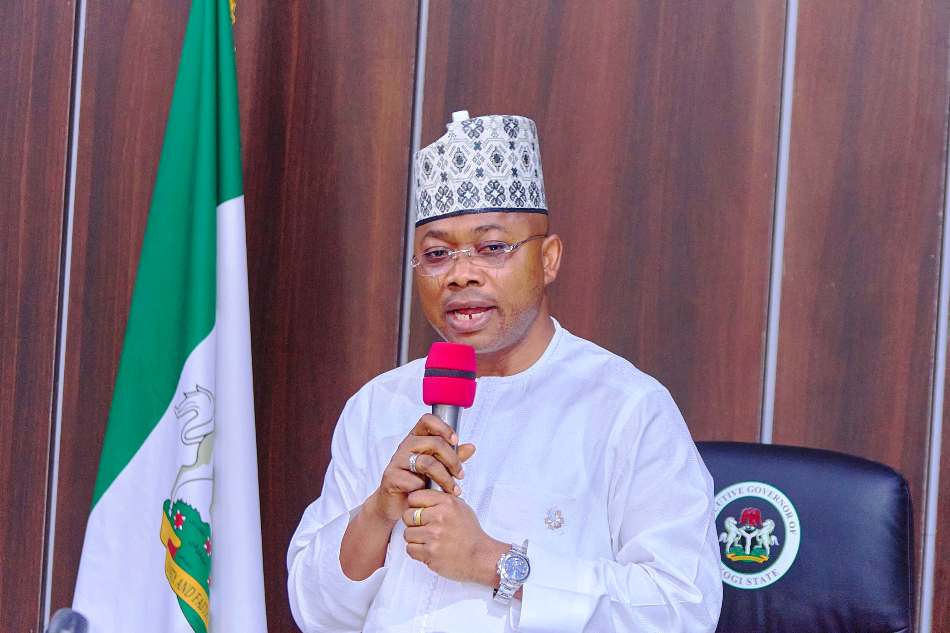
Governor Uba Sani. The letter was titled “The Public Declaration of
Islamic Political Supremacism by Ex-Governor El-Rufai, Implications on Dialogue
and Peace for Your Public Stance.” It was jointly signed by Rev. Fr Joseph
Gandu, the NCDPA chairman of Kaduna Archdiocese; Very Rev. Fr Douglas Rock, the
NCDPA chairman of Kafanchan Diocese; and Very Rev. Fr Samuel Ameh, the NCDPA
chairman of Zaria Diocese.
In the letter, the priests conveyed their deep consternation
and disillusionment after watching a viral video featuring the former governor,
Nasiru El-Rufai. The video showed El-Rufai making comments that were deemed
divisive, bigoted, hateful, and unbecoming of a statesman. What troubled the
priests even more was the fact that the governor, Uba Sani, was seated beside
El-Rufai during this address to a group of Islamic clerics.
The NCDPA expressed their desire to understand Governor
Sani’s position in relation to the controversial statements made by El-Rufai
and the potential ramifications they may have on the peace and dialogue within
the state. As responsible stakeholders with their own congregations and
followers, the priests emphasized that they could not idly stand by while
unpatriotic individuals, who neither reside in the state nor genuinely care
about its welfare, come and ignite strife at will. Furthermore, they pointed
out that they and their congregations had been the victims of ineffective
governance for the past eight years, bearing the brunt of the consequences.
To clarify the situation, the priests referred to the viral
video in question. In the video, El-Rufai, speaking in Hausa, categorically
stated that most Christians in Kaduna did not vote for his party, the All
Progressives Congress (APC). He even admitted to orchestrating the exclusion of
Christians from the position of Deputy Governor. The priests believed that this
video was not only evidence of discrimination but also an explanation for the
unjust policies implemented by El-Rufai’s administration. They cited the uneven
distribution of state resources, the targeted killings and kidnappings in
Christian-dominated areas, and the government’s negligent and sometimes
scornful response to distress calls from victims.
The priests stressed that they had personally witnessed
numerous instances where their association members were targeted, kidnapped,
and even killed. They highlighted the plight of pastors from various Christian
denominations, as well as entire Christian communities that were consistently
subjected to raids, destruction, and violence. Shockingly, the perpetrators
remained unpunished, and the survivors received little to no support from
government agencies such as the State Emergency Management Agency (SEMA) or the
National Emergency Management Agency (NEMA). Instead, the government often
resorted to blaming the victims for provoking their attackers, labeling the
atrocities as justified revenge killings. Punitive curfews and proscription of
socio-cultural and developmental associations of certain communities only added
to the despair.
The priests firmly believed that Kaduna State and its
resources were the common heritage of all its residents, regardless of their
ethnic, cultural, or religious backgrounds. Consequently, they felt that
individuals known for their despotic, divisive, inciting, and failed leadership
should be ashamed and not publicly associated with the governor, using religion
or political party to promote extremist exclusion and anarchy without facing
consequences.
What particularly disappointed and shocked the priests was
the enthusiastic endorsement El-Rufai received from the audience, which
comprised Muslim clerics. These were the same clerics with whom the priests had
engaged in constant dialogue and discussions aimed at fostering harmony, peace,
and mutual respect among different faith communities. It felt like a betrayal
of friendship and partnership.
In conclusion, the NCDPA urged Governor Uba Sani to utilize
his position to rectify the false narratives that El-Rufai’s actions and
comments had created and propagated. They listed these fallacies as follows:
Christians and Muslims in Kaduna State are engaged in a war against each other,
the APC is a party exclusively for Muslims, and being a Christian in Kaduna
State is a misfortune or even an offense that automatically excludes
individuals from certain state privileges accessible to all citizens.