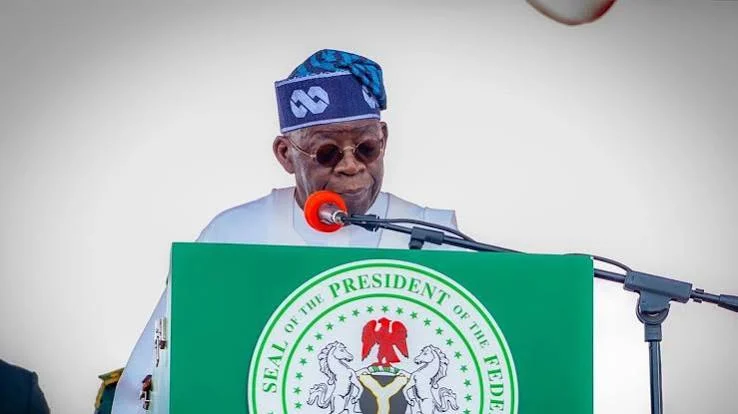
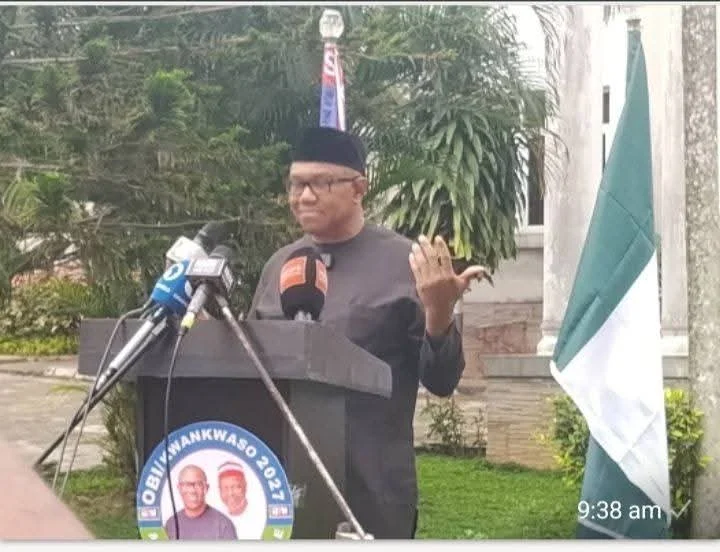
In a momentous event that captured the attention of the world, Bola Ahmed Tinubu, the
President-elect of Nigeria, was officially sworn into office amidst a backdrop of legal disputes over his election by the country’s opposition. The ceremony itself was conducted amidst unprecedented levels of security, ensuring the safety of the distinguished guests in attendance, including world leaders and dignitaries. Among the notable figures present were President Kagame of Rwanda and Cyril Ramaphosa of South Africa, who gathered at the grand Eagle Square venue in the heart of Abuja, the nation’s capital.

The significance of this occasion was
underscored by the declaration of a national public holiday, signaling the
importance and gravity of the moment for the Nigerian people. However, due to
limited space, only a select few received invitations to witness the historic
inauguration, and Nigerians without an official invitation were advised to
refrain from attending the event.
For Bola Ahmed Tinubu, this moment marked the
realization of a lifelong aspiration—to govern Nigeria. Yet, his ascent to
power was not without significant challenges that lay ahead. As the 16th
president of Nigeria, he was now tasked with the immense responsibility of
uniting a nation that had been fractured by various divisions and conflicts.
Moreover, Tinubu had to grapple with the urgent need to resuscitate a
struggling economy and confront the ever-increasing threats of insecurity that
plagued the country.
The legitimacy of Tinubu’s presidency had come
under scrutiny, with critics and election observers voicing concerns over
alleged irregularities, instances of violence, and attempts to suppress the
voting rights of the electorate during the February elections. These criticisms
added a layer of complexity to Tinubu’s presidency, as he had to navigate the
delicate balance of addressing these concerns and winning the trust of those
who doubted the fairness and transparency of the electoral process.
As the nation celebrated the inauguration of
its new leader, the weight of expectation bore heavily on Bola Ahmed Tinubu’s
shoulders. The challenges ahead were immense, requiring steadfast leadership,
astute decision-making, and a commitment to serving the best interests of the
Nigerian people. With a nation in need of healing, an economy in need of
revitalization, and security concerns demanding urgent attention, the journey
of President Tinubu was poised to test his mettle and shape the future of
Nigeria.