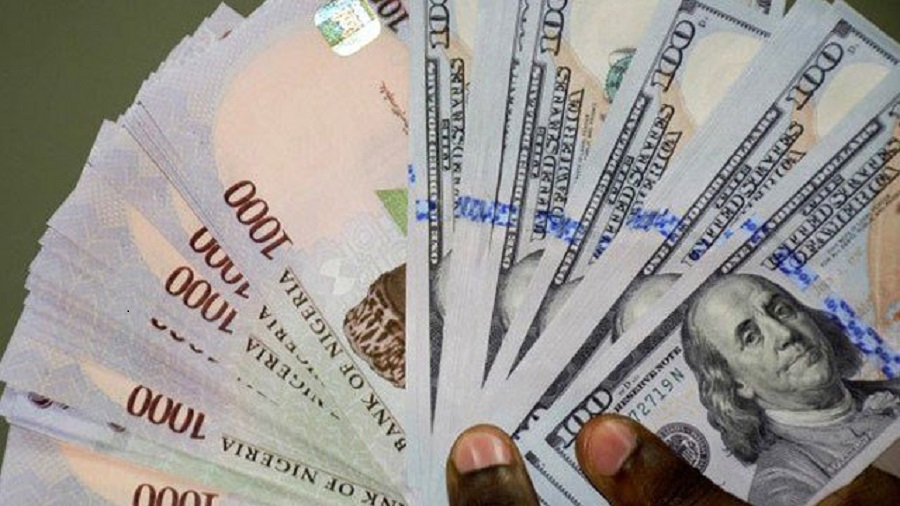
Despite recent interventions by the Central Bank of Nigeria (CBN) to stabilize the foreign exchange market, the naira experienced a significant setback, closing trading on the Investor & Exporter (I&E) forex window at N996.75/$ on Thursday.
This marks a substantial 13.95% decline from its closing rate of N874.71/$ the previous day. The week began at N780.23/$, and the naira has now lost a total of 27.75% of its value, according to data from FMDQ OTC Securities Exchange.
Following initial gains against the dollar last week when news surfaced about the CBN clearing some of its forex backlog, the naira has witnessed a consistent decline in both official and parallel markets.
In 2023, the naira has lost approximately 40% of its value, earning it the unenviable label of one of the worst-performing African currencies by the World Bank.
On the parallel market, the depreciation continues, with the naira falling from N950/$ to nearly N1,140/$ as reported by Bureaux De Change operators speaking to The PUNCH, reflecting a 20% decrease.
Traders conveyed the prevailing situation, with Kadri noting, “Dollar is N1,100 if you want to sell. It is N1,140 if you want to buy.” Another trader, Awolu, affirmed buying the dollar at N1,100.
President of the Association of Bureaux De Change Operators of Nigeria, Aminu Gwadabe, explained the naira’s fall, attributing it to speculators resisting further losses and reacting to perceived inconsistencies in the injection of funds by the CBN.
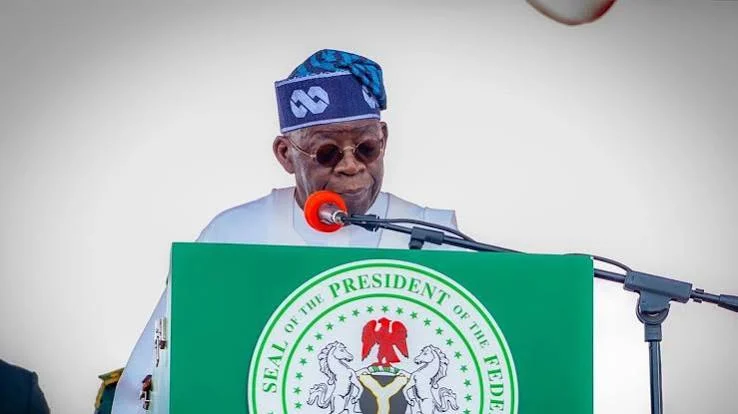
Recognizing the gravity of the currency’s decline, the presidency has expressed concern and announced plans to implement policies aimed at fortifying the local currency. Dr. Tope Fasua, Special Adviser to the President on Economic Matters, affirmed the government’s commitment to shock speculators with proactive policies.