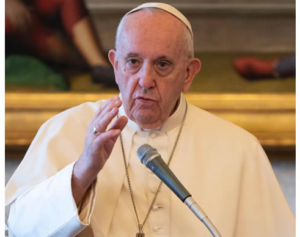
VATICAN CITY – In a surprising revelation, Pope Francis disclosed in an interview broadcast on Wednesday that he has chosen an unconventional burial site, opting not to be interred in St Peter’s Basilica alongside his predecessors but in the basilica of Santa Maria Maggiore in Rome.
“The place is already prepared. I want to be buried in Santa Maria Maggiore,” stated the pontiff, who is approaching his 87th birthday this weekend, during an interview with Mexican broadcaster Televisa’s N+ streaming service.
This decision marks a departure from the tradition of popes being laid to rest in St Peter’s Basilica, making Pope Francis the first pontiff in over a century to choose an alternative burial location. The last pope to break with this tradition was Leo XIII in 1903, whose remains rest in the Basilica of St. John the Lateran in Rome.
Santa Maria Maggiore, one of the four papal basilicas in Rome, holds a special significance for Pope Francis, expressing a “special connection” to the place. He frequented the basilica on Sundays while visiting Rome before his papacy, and since assuming the role in 2013, he has continued to pray there before and after his travels and even following surgery.
In the same interview, Pope Francis shared plans for international visits in 2024, including a trip to Belgium, and expressed hopes to visit his native Argentina and Polynesia.
The pontiff, who has faced health challenges in recent years and recently canceled a visit to the COP28 climate talks due to bronchitis, acknowledged his predecessor Benedict XVI’s courageous decision to step down due to failing health. Benedict’s funeral took place in St Peter’s Basilica, where his body was interred in the same tomb that held Pope John Paul II before being moved for beatification in 2011.
Pope Francis expressed openness to following Benedict’s example if he could no longer fulfill his duties but emphasized that stepping down should not become a regular practice for popes. As the Pope unveils his unique burial choice, it marks another notable decision in his papacy, reflecting his distinctive approach to tradition and his connection to places of personal significance.