The struggle against inflation in Nigeria continues, with the latest data from the National Bureau of Statistics (NBS) revealing a surge to 31.7% in February 2024. This figure, released yesterday, marks the highest inflation level recorded since April 1996, adding to the economic woes faced by Nigerians.
Analysts had not anticipated such a sharp rise, with the inflation rate climbing by 1.8 percentage points (ppts) from the previous month. The Bloomberg consensus estimate of 31.3% and the projection of analysts at CardinalStone Finance, standing at 31.1%, were both surpassed by the actual figure.
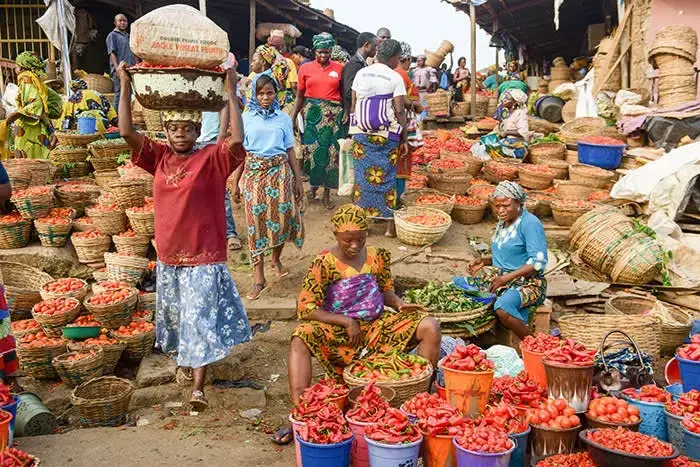
Of significant concern is the inflationary pressure on essential food items, as reflected in the corresponding food inflation rate of 37.9% in February 2024. This represents a 2.5ppts increase compared to January 2024 and underscores the challenges faced by Nigerians in accessing affordable food.
The spike in food prices has triggered protests in various parts of the country, highlighting the severity of the situation. In addition, the International Monetary Fund (IMF) has warned that if current trends persist, 8.0% of Nigerians could face high levels of food insecurity.
Elevated energy prices have compounded the problem, exerting further pressure on transport costs and subsequently impacting food prices. The NBS report confirms that headline inflation rose to 31.70% in February 2024, up from 29.9% in January 2024, on both year-on-year (YoY) and month-on-month (MoM) bases.
Food inflation, on a YoY basis, surged to 37.92% in February 2024, compared to 24.35% in the same period last year. This increase was driven by higher prices of essential food items such as bread, cereals, potatoes, yams, fish, oils, meats, fruits, and beverages.
Regionally, Kogi, Rivers, and Kwara recorded the highest food inflation rates on a YoY basis, while Bauchi, Plateau, and Taraba experienced the slowest rise. On a MoM basis, Adamawa, Yobe, and Borno reported the highest food inflation rates, with Cross River, Niger, and Abuja recording the slowest rises.
The current inflationary trend poses significant challenges to the Nigerian economy and the well-being of its citizens. As efforts continue to mitigate these effects, attention must be given to addressing the root causes and implementing measures to stabilize prices and improve living standards for all Nigerians.