The Nigerian National Petroleum Company Limited (NNPCL) has officially requested a refund of N4.71 trillion from the Federal Government. This substantial sum is intended to cover outstanding debts related to the importation of Premium Motor Spirit (PMS), commonly known as petrol, into the country.
The NNPCL’s demand, listed as “Exchange Rate Differential on PMS and Other Joint Venture Taxes,” spans a period from August 2023 to June 2024. This was disclosed during the June meeting of the Federation Accounts Allocation Committee (FAAC), where the Minister of Finance and Coordinating Minister of the Economy, Wale Edun, provided details.
The refund request highlights the impact of exchange rate fluctuations on the cost of importing petroleum products. The exchange rate differential refers to the financial gap that arises from changes in the value of currencies during foreign exchange transactions. For the NNPCL, this differential has created a significant financial burden, as the naira’s devaluation has led to increased costs in dollar-denominated transactions.
During the meeting, Edun explained that the NNPCL had received presidential approval to use a “Weighted Average Rate” for exchange rate calculations between October 2023 and March 2024. This rate adjustment was necessary to manage the financial impact of fuel imports and ensure the continuous supply of PMS nationwide.
However, the NNPCL’s request for an extension of this period was advised to be submitted to the National Economic Council for approval. The minutes of the meeting revealed that the NNPCL’s outstanding claim of N2.69 trillion had grown significantly, reaching N4.71 trillion by June 2024 due to continued currency devaluation.
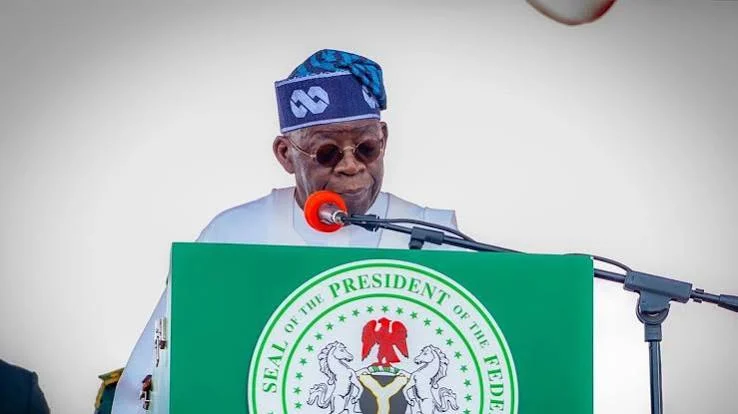
The request for reimbursement comes amid ongoing debates about the removal of fuel subsidies in Nigeria. Although President Bola Tinubu declared the end of fuel subsidies in May 2023, the revelation of NNPCL’s claims suggests that the government may still be indirectly supporting fuel imports by covering exchange rate differences.
Oil marketers have expressed concerns about the rising costs of PMS, with the landing cost per liter increasing to ₦1,117, leading to a monthly subsidy of approximately N707 billion.
During the FAAC meeting, state finance commissioners raised questions about the rationale behind the NNPCL’s claims and the impact on the federation’s finances. The NNPCL responded by explaining that the increased exchange rate had significantly affected the cost of fuel imports, necessitating the refund request.
As the NNPCL seeks to resolve these financial challenges, discussions continue about the government’s role in managing the country’s fuel supply and the implications for the broader economy. The situation underscores the complexities of Nigeria’s energy sector and the challenges of transitioning away from fuel subsidies while maintaining energy security.