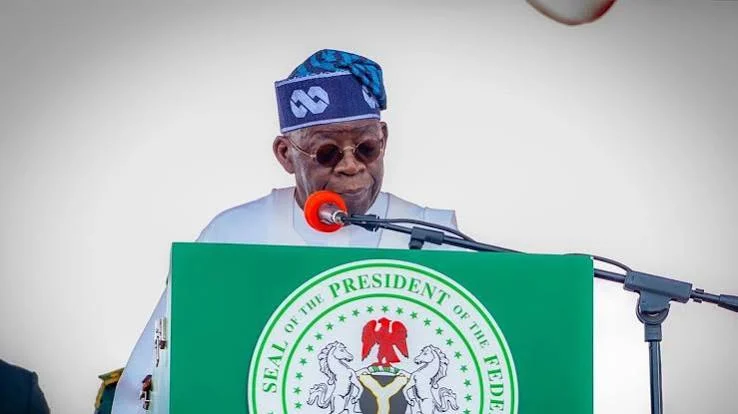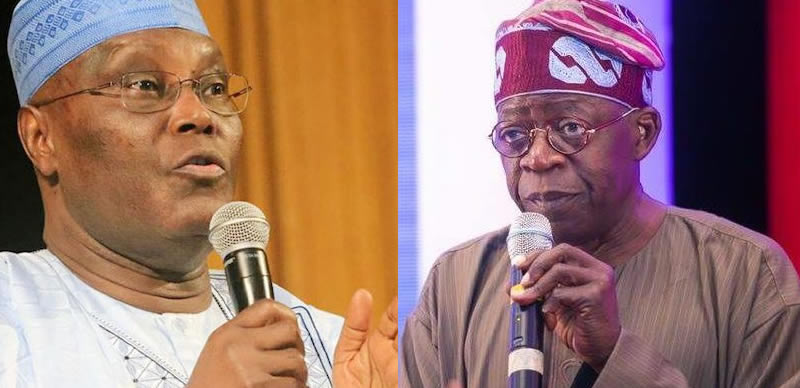
Former Vice President Atiku Abubakar has publicly challenged President Bola Tinubu to acknowledge the reintroduction of the fuel subsidy, just months after declaring its removal. In a statement released on Sunday by his media aide, Phrank Shaibu, Atiku criticized Tinubu for not being forthright about the return of the subsidy and accused the administration of using it as a means to fund the 2027 elections.
Atiku’s statement comes after reports that the Nigerian government owes the Nigerian National Petroleum Company Limited (NNPCL) N7.8 trillion. He cited estimates from the International Monetary Fund (IMF) that subsidy payments could amount to 3% of the country’s GDP this year, translating to approximately $7.5 billion (N11.8 trillion). Despite these figures, fuel scarcity continues, and the Tinubu administration has been criticized for its handling of the situation, including its strained relationship with the Dangote Refinery and its own NNPCL facilities.
Atiku further questioned the Federal Government’s handling of a recent transaction in the oil sector, specifically targeting the accelerated approval granted to Oando Plc, owned by President Tinubu’s nephew, Wale Tinubu. Oando recently acquired the onshore assets of AGIP and ENI, a deal that was finalized in record time. Atiku contrasted this with the delays faced by other transactions, such as the Shell/Renaissance deal and the Mobil/Seplat acquisition.
He also criticized the House of Representatives for failing to act on the alleged mortgage of the country’s national oil assets by the NNPCL to vested interests, further highlighting what he described as preferential treatment in the oil and gas sector.
In addition to his economic criticisms, Atiku condemned the Tinubu administration’s record on human rights. He accused the government of increasing abuses, including the misuse of the Cyber Crime Prevention Act 2015 to detain citizens and intimidate journalists. He cited several instances of alleged human rights violations, including the arrest of journalists and activists, as evidence of a pattern aimed at suppressing dissent.
Atiku’s statement is the latest in a series of criticisms aimed at President Tinubu’s administration, focusing on issues ranging from economic policy to human rights, as Nigeria faces significant challenges in both areas.