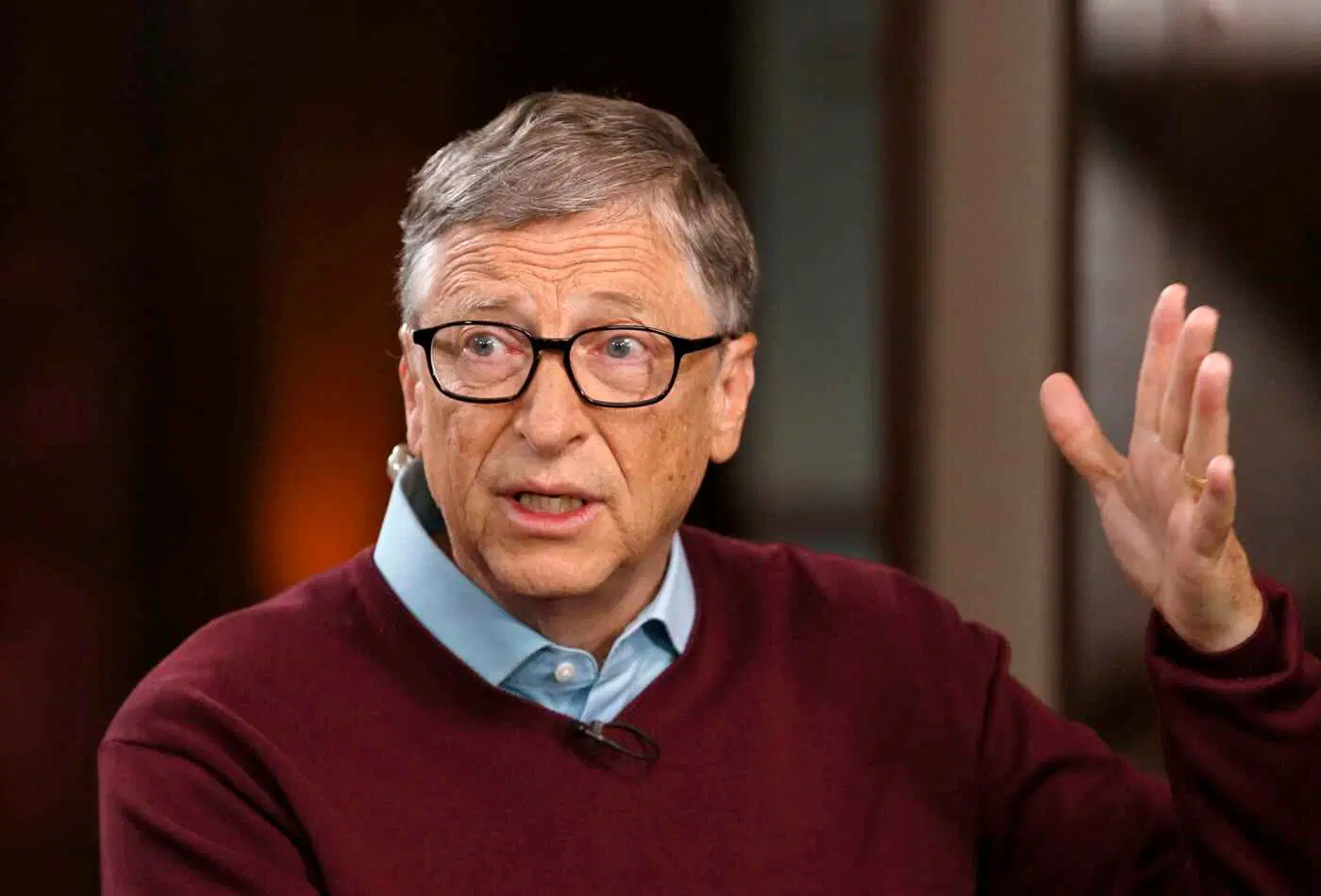
Bill Gates, co-chair of the Bill & Melinda Gates Foundation, has revealed that Nigeria is the largest recipient of the foundation’s intervention funds in Africa. Gates made this disclosure during an interview with selected journalists at the 2024 NutriVision Dialogue, held on Tuesday in Abuja.
Gates explained that the foundation’s primary focus is on reducing global health inequalities, with particular emphasis on eradicating diseases such as measles, malaria, and polio. He noted that the foundation allocates substantial resources to Asia but spends even more in Africa, with Nigeria being the top beneficiary.
“We spend a lot in Asia, but we spend even more in Africa. The country we spend the most in Africa is Nigeria. That makes sense because of the population and the incredible needs that are here. That means that I’ve literally spent billions in Nigeria,” Gates said.
Reflecting on the progress made, Gates expressed satisfaction with the reduction in child mortality rates in Nigeria but acknowledged that more could be done. He also outlined the foundation’s plans to increase future spending, particularly in the area of primary healthcare, where he believes the impact per dollar is greatest.
“Our work is almost entirely focused on primary health care because the impact per dollar is dramatically greater than anywhere else,” Gates emphasized.
In addition to health, Gates highlighted the foundation’s significant investments in Nigeria’s agricultural sector. He stressed the importance of boosting agricultural productivity for the country’s economic development. This, according to him, can be achieved through access to high-yield and climate-resistant seeds, fertilizers, improved information, and better weather predictions for farmers. These measures, he said, would lead to increased agricultural output and lower food costs.
The philanthropist also mentioned the foundation’s efforts in supporting food fortification initiatives, which aim to enhance the nutritional quality of staple foods, thereby providing a public health benefit. He pointed out that access to a variety of low-cost foods, especially milk and eggs, is crucial in reducing malnutrition.
Gates underscored the need to leverage innovative ideas and tools in both the health and agricultural sectors to make significant strides in combating malnutrition.
Since its inception in 2000, the Bill & Melinda Gates Foundation has been actively involved in partnerships with African regional institutions, national governments, and local communities across 49 African countries. The foundation provides funding and scientific expertise to support these partners in their efforts to drive change in areas such as health, agriculture, equality, and poverty alleviation.
The foundation has committed over $7 billion through 2026 to support African countries and institutions in developing and implementing innovative solutions to tackle hunger, disease, gender inequality, and poverty.