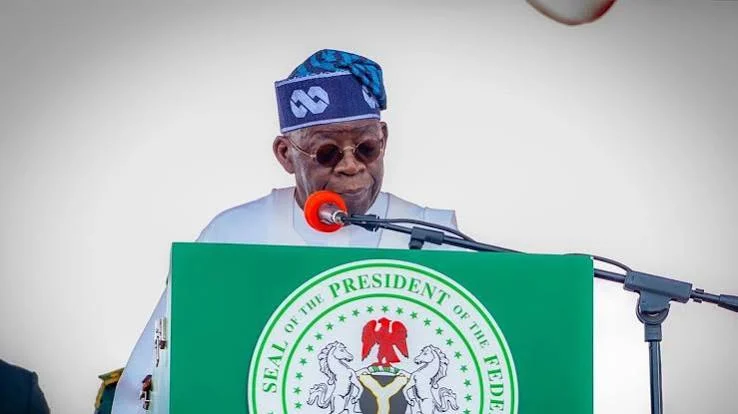
LAGOS — As tension rises ahead of the planned nationwide protests scheduled for October 1, organizers remain firm in their resolve to move forward with the demonstrations despite the Federal Government’s appeal for calm. The protests, which are set to take place across various states, are aimed at highlighting growing public discontent over economic hardship and the government’s failure to meet earlier demands made by demonstrators.
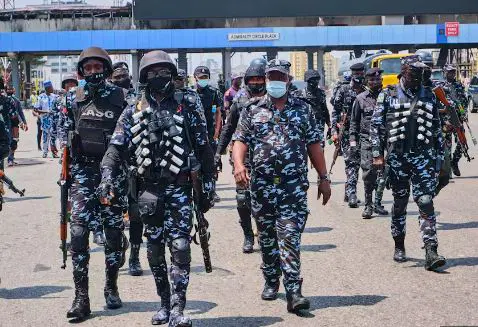
In response, the police have been deployed across key states to maintain order and prevent any escalation of violence during the protests. This comes amid concerns that the demonstrations could disrupt public peace, especially on a day of national significance marking Nigeria’s Independence Day.
One of the key figures backing the protest, Deji Adeyanju, a lawyer representing several individuals who were detained following the August 1 protests, defended the decision to move forward with the action. Speaking on Wednesday, Adeyanju stated that the fresh round of protests is necessitated by the government’s continued inaction in addressing the demands raised during the earlier demonstrations.
“We are not protesting for the sake of it,” Adeyanju remarked. “The hardship being faced by Nigerians is worsening, and the Federal Government has failed to fulfill its promises or engage with the concerns raised by the people during the August protests.”
He noted that the demands from the previous protests included a call for immediate action on the rising cost of living, removal of fuel subsidies, and improved governance. According to Adeyanju, the government’s lack of meaningful response has led to renewed calls for nationwide mobilization.
While the government has urged organizers to reconsider, citing potential threats to national security and public safety, the protest leaders have expressed determination to hold the government accountable through peaceful demonstrations. In a statement, they reiterated that the protests would be peaceful and within the rights of Nigerian citizens to express their dissatisfaction.
The Federal Government has continued to call for dialogue, insisting that it is working on measures to alleviate the economic situation. However, with the protests still on course, law enforcement agencies have intensified preparations, with police forces deployed to major cities and strategic locations to forestall any breach of the peace.
Observers have warned that the government’s handling of the protests could either defuse or exacerbate the situation, depending on how authorities choose to respond to the grievances voiced by the demonstrators. As Nigeria prepares for another Independence Day, it appears that the growing tension between the government and its citizens may come to a head.
The outcome of the October 1 protests is likely to shape the tone of future engagements between the Nigerian government and its increasingly disillusioned population.