In response to public debate, presidential spokesperson Bayo Onanuga clarified that President Bola Tinubu did not acquire a brand new official jet for Nigeria’s presidential fleet, but instead opted for a refurbished model to replace older aircraft in poor condition. Addressing Nigerians on Channels Television’s Inside Sources with Laolu Akande, Onanuga stressed that the jet was a practical and cost-saving decision aimed at improving safety and reliability without the excessive expenses linked to maintaining aging aircraft.
“This isn’t President Tinubu’s personal plane; it belongs to the people of Nigeria,” Onanuga asserted, adding that certain planes in the presidential fleet, such as a 19-year-old Boeing B737-700 acquired under former President Olusegun Obasanjo, are outdated and require costly upkeep. Instead of sinking large amounts of money into frequent maintenance, Onanuga said President Tinubu secured National Assembly approval to procure a refurbished Airbus A330, which is expected to significantly reduce maintenance costs.
Highlighting recent safety concerns, Onanuga recounted an incident during President Tinubu’s trip to Saudi Arabia when the aging presidential jet malfunctioned, forcing the President to charter an aircraft to continue to the Netherlands. He also referenced the challenges Vice President Kashim Shettima faced last May when a mechanical failure grounded his flight to the US-Africa Business Summit.
Onanuga also appealed to Nigerians to focus on the President’s safety rather than view the purchase as a luxury. “We want the President safe so he can complete his term and eventually hand over to his successor. I’m not sure anyone wants our President at risk in the skies,” he said. He added that the Airbus A330 is a newer, refurbished model compared to the 20-year-old aircraft previously used by former President Muhammadu Buhari, and that Tinubu will not take the jet when he leaves office, meaning it will benefit future administrations.
Despite these reassurances, the acquisition has drawn mixed reactions from Nigerians. Some criticize the move, given that many citizens face economic hardships, including steep inflation and surging fuel prices. Critics also view the purchase as poorly timed, given widespread public concerns over rising living costs.
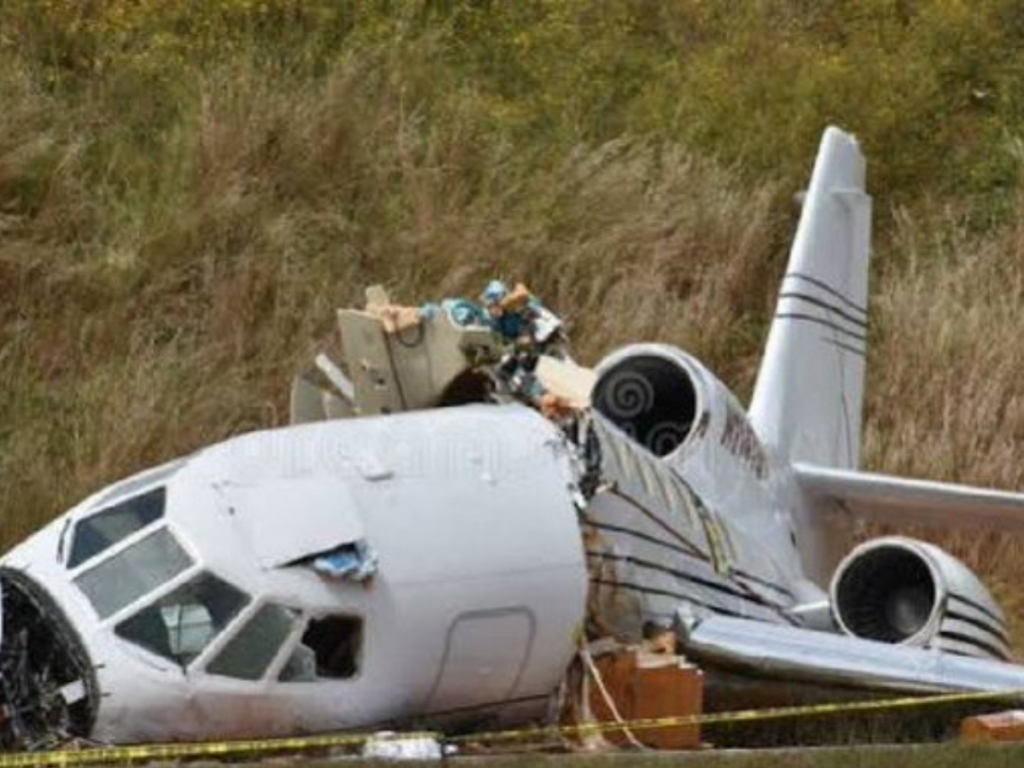
The condition of Nigeria’s Presidential Air Fleet has been a longstanding concern. In December, the Nigerian Air Force put up the Falcon 900B, a presidential aircraft, for sale, with calls for bids from interested buyers. Onanuga’s statement reflects an ongoing effort by the Presidency to maintain a balance between operational efficiency and financial prudence in the management of Nigeria’s official fleet.