In a historic turn for Botswana’s political landscape, President Mokgweetsi Masisi announced he would “step aside” following his party’s apparent loss in the country’s general elections, with preliminary results showing a decisive win for the opposition. The Botswana Democratic Party (BDP), which has held power in the diamond-rich nation since it gained independence from Britain in 1966, faced its most challenging election yet, signaling a shift after decades of single-party rule.
Initial counts from Wednesday’s elections indicate that opposition parties have made significant gains, collectively securing at least 31 of the 61 seats in Botswana’s National Assembly. According to the country’s election rules, reaching this threshold enables the winning party to appoint its presidential candidate. The official results are expected from the electoral commission later on Friday.
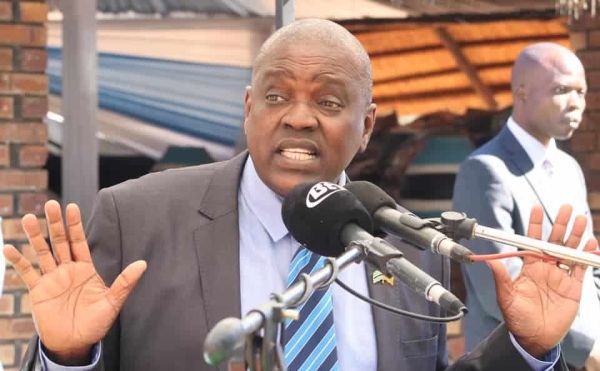
In a press conference on Friday morning, President Masisi offered his congratulations to the opposition coalition on their victory, calling it “a good journey.” He confirmed his intention to facilitate a smooth transition, adding, “We are quite happy to retreat into being a loyal opposition and to hold the government accountable.” Masisi, who has led the BDP since 2018, had expressed confidence in securing a second term but now expressed readiness to support the new government from the opposition.
The victory largely favors the Umbrella for Democratic Change (UDC), a left-leaning coalition that has garnered over 24 seats, as reported by party spokesperson Mike Keakopa. The UDC aims to secure a full 31 seats to ensure a majority, which would see their candidate, Duma Boko, a Harvard-educated human rights lawyer, take the presidential office.
Joining forces with the UDC in this election are two other opposition parties, the Botswana Congress Party (BCP) and the Botswana Patriotic Front (BPF), which together have claimed around a dozen seats. This broad coalition has contributed to the BDP’s dramatic electoral upset, reshaping Botswana’s political future.
The shift in leadership could mark significant policy changes in Botswana, particularly on social issues and economic reforms. As the nation awaits the final confirmation of results, Botswana’s political climate stands on the brink of a new chapter, with a government poised to address long-standing challenges under a fresh leadership framework.