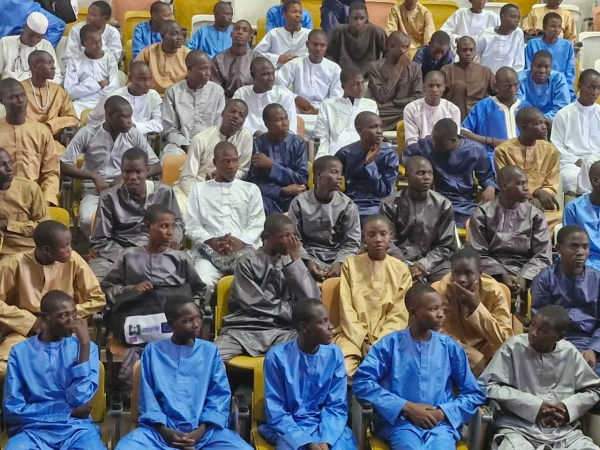
In a gesture of support and rehabilitation, the Kaduna State government, led by Governor Uba Sani, has reunited 39 #EndBadGovernance protesters with their families and provided each of them with ₦100,000 and a smartphone. The individuals, including several minors, had been detained following their participation in protests earlier this year but were recently granted a pardon by President Bola Tinubu’s administration.
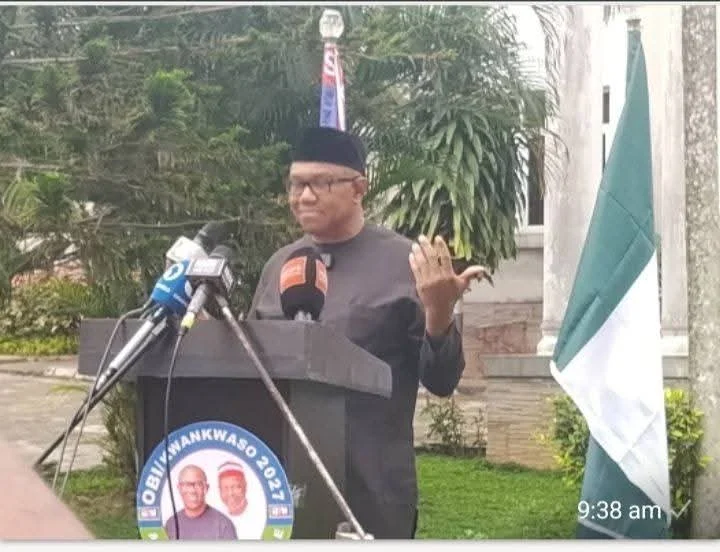
The reunion ceremony took place at the Children’s Homes on Katuru Road, Kaduna, where state officials and community leaders gathered to mark the occasion. Dr. Abdulkadir Muazu Meyere, Secretary to the Kaduna State Government, represented Governor Sani, emphasizing the administration’s commitment to helping the individuals reintegrate into society.
“The Governor has directed that we support their transition with rehabilitation and empowerment programs,” Dr. Meyere said, noting that some of the individuals who had completed their tertiary education may receive start-up capital, skill training, or employment opportunities within the state.
In line with this commitment, the government collected vital information, including contact details, addresses, and next of kin information, to maintain ongoing support and follow-up on each individual’s progress. The state will also monitor the behavior of the beneficiaries, with plans to extend additional privileges based on positive conduct and participation in the community.
Before their release, each protester underwent a comprehensive medical check-up and participated in psycho-social counseling to help them reintegrate successfully. Religious leaders from both Islamic and Christian communities also played a role in counseling the individuals, emphasizing the importance of faith and the consequences of negative influences.
Explaining the rationale behind the smartphones, Dr. Meyere noted, “The phones were provided to replace those lost during detention, and the Governor graciously gifted each of them ₦100,000 as a gesture of goodwill.”
Governor Sani’s administration aims to provide these individuals with the support they need to become responsible, contributing members of society, underlining the state’s commitment to rehabilitation and positive community involvement.