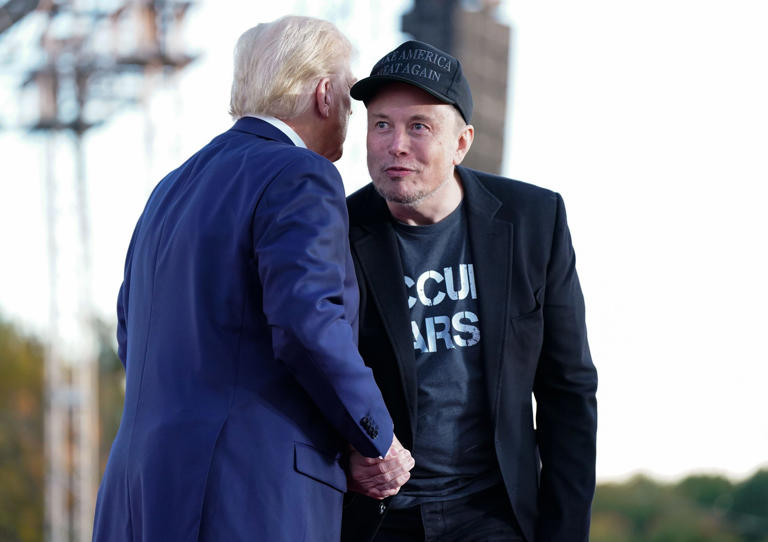
Elon Musk, recently appointed by President-elect Donald Trump to co-lead the newly created Department of Government Efficiency (DOGE), is reportedly focusing on overhauling the U.S. tax system, with plans to develop a mobile app for tax filing.
According to the Washington Post, Musk’s team has identified a tax filing app as its first project, signaling a significant shift in how Americans may interact with the IRS. The move aligns with Musk’s history of implementing radical efficiency measures at his companies, including Tesla, SpaceX, and X (formerly Twitter).
Market Reaction and Industry Impact
The announcement has already sent shockwaves through the financial services industry. Shares of major tax service providers, including Intuit (maker of TurboTax) and H&R Block, fell sharply on the news. Investors anticipate that a government-backed tax filing app could disrupt private-sector dominance in the space.
The proposed app would aim to simplify the tax filing process, potentially eliminating the need for third-party tax services and reducing administrative costs for the IRS.
Trump’s Vision for Government Efficiency
President-elect Trump unveiled the Department of Government Efficiency as part of his broader pledge to “drain the swamp” and cut wasteful government spending. Musk and entrepreneur Vivek Ramaswamy have been tasked with co-leading the department. Their mandate includes identifying inefficiencies across federal agencies and proposing tech-driven solutions to streamline operations.
Trump’s decision to involve Musk reflects the billionaire’s reputation for cost-cutting and innovation. At Tesla, Musk famously slept on the factory floor during production crunches and encouraged employees to leave unproductive meetings. At SpaceX, he introduced reusable rocket technology, drastically reducing the cost of space launches.
A Radical Shakeup for the Tax System?
The tax filing app initiative would mark one of the first tangible steps toward achieving Trump’s vision of a more efficient federal government. By creating a direct, user-friendly platform, the app could reduce the complexity and costs associated with tax filings for both individuals and the government.
“This is the kind of bold, innovative thinking we need to bring the federal government into the 21st century,” Trump said during a press briefing.
Potential Challenges
While the plan has been lauded by some as a step toward modernization, it also faces significant hurdles. Critics argue that government-backed tech projects often suffer from delays, cost overruns, and cybersecurity risks. Additionally, tax service providers and lobbying groups are likely to resist the initiative, given the threat it poses to their business models.
Musk, however, is no stranger to overcoming challenges. In a recent interview, he emphasized the importance of innovation in government: “The government is just another system. If we can build reusable rockets and self-driving cars, we can definitely build something as basic as a tax app that works.”
What’s Next?
The Department of Government Efficiency is expected to unveil further details about the tax app and other planned initiatives in the coming months. As Musk and Ramaswamy delve deeper into their mandate, their ability to deliver impactful results will likely shape public perception of Trump’s ambitious plans to transform government operations.
For now, Musk’s involvement has generated significant buzz, with many watching to see if the billionaire can replicate his private-sector success on the public stage.